
New BMW X5 Brings Diesel Power To Car Show: Video
Article Summary
- The 40d xDrive is the only diesel version of the fifth-generation BMW X5.
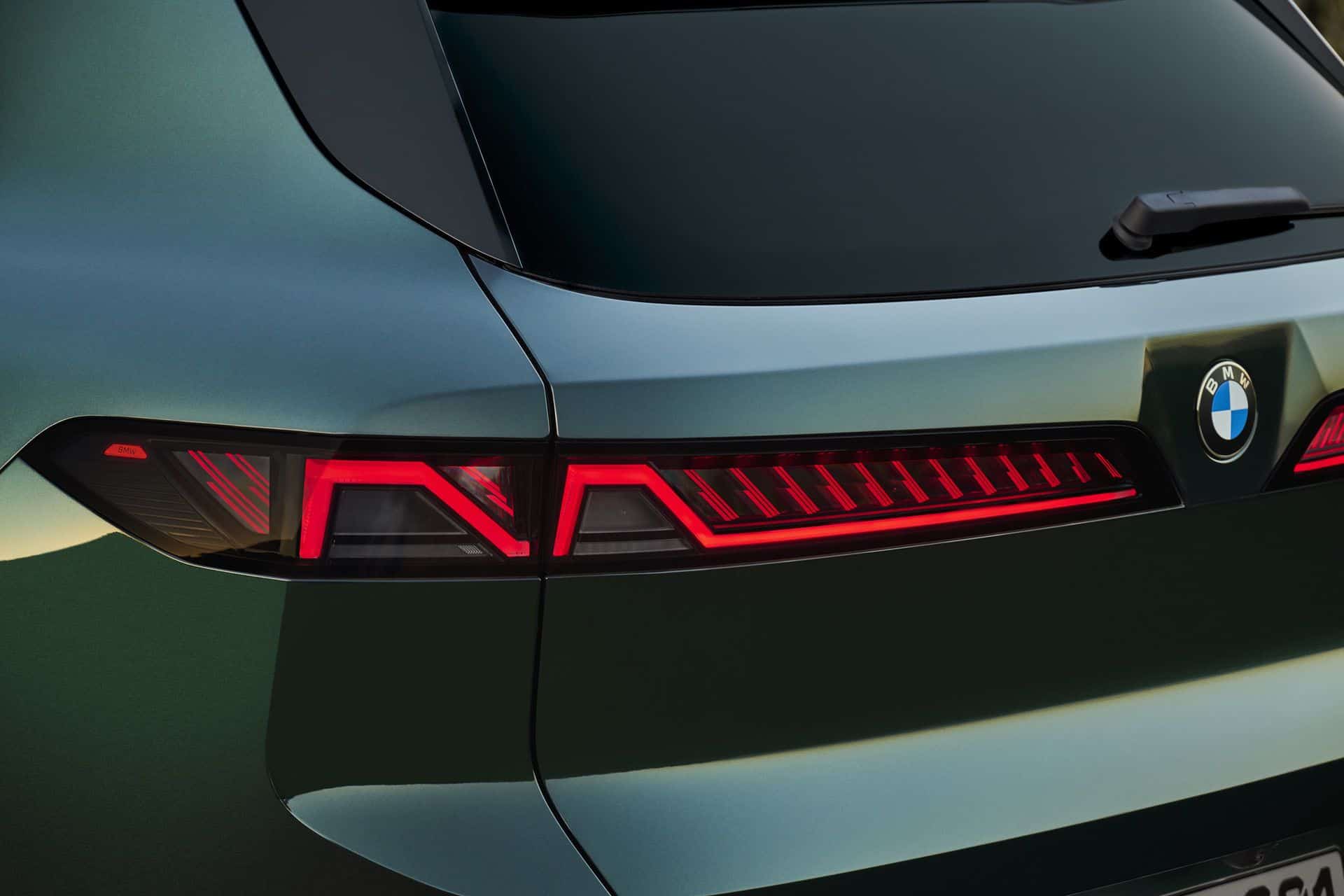
- BMW is showing off the B57-powered X5 in Vancouver Green with 23-inch wheels and an M Sport Pro Package.
- The Individual Smoke White Merino leather interior is paired with the optional 14.6-inch passenger display.
Europe is the last stronghold for diesel engines, but even there, this type of powertrain is fading. Only 6.5% of new cars registered on the continent in the first half of the year featured an oil-burner. It’s a far cry from the mid-2010s, when diesels peaked with a market share exceeding 50%. Despite its alarming downfall, the diesel still has a future in BMW’s lineup.
The fifth-generation X5 still has a B57 engine under its hood. BMW is showing off the luxury SUV this weekend as an X5 40d xDrive in Italy at the 2026 Turin Motor Show. Replacing the xDrive40d before it, the new diesel-fueled luxury SUV comes in a rather lovely spec. It combines Vancouver Green with the M Sport Pro Package and 23-inch wheels.

Inside, the Mercedes GLE rival offers Individual Merino leather in Smoke White and a 14.6-inch passenger screen. Speaking of options, whoever played with the configurator for this X5 went to town, as the luxobarge has everything from four-zone automatic climate control to an 18-speaker Bowers & Wilkins surround sound system.
BMW Had To Detune The B57 Diesel Engine
There’s just one problem, and it’s under the hood. The inline-six engine is not the one you remember. To comply with stricter emissions regulations, BMW has had no choice but to detune the turbocharged 3.0-liter mill. The old one made nearly 40 hp and 50 Nm (37 lb-ft) more. Going forward, the X5 40d xDrive will have to make do with 308 hp and 670 Nm (494 pound-feet).

It’s a mild-hybrid diesel, and aside from packing a smaller punch, it also has to move more metal. The sole surviving member of the X5 diesel lineup is 40 kg (88 lbs) heavier than its predecessor. With less power and a higher curb weight, the 40d xDrive is also predictably slower. The sprint to 62 mph (100 km/h) takes 6.1 seconds, or 0.5 seconds longer than before, while top speed drops by nearly 10 mph (15 km/h) to 143 mph (230 km/h).
Diesel Remains The Efficiency King On The Highway
Of course, the diesel engine’s main advantage remains efficiency. BMW claims the new X5 40d xDrive sips only 7 liters / 100 kilometers in the combined WLTP cycle. That’s 0.8 liters / 100 km less than before, despite the weight increase. For those who do a lot of highway miles, the B57 remains the best choice, even when the X5 powertrain lineup is so diverse. Aside from gasoline, diesel, plug-in hybrid, and the battery-powered iX5, there’s a hydrogen iX5 on the way.
With the diesel engine tweaked to pass Euro 7 regulations, there’s a good chance BMW intends to keep it throughout the decade and into the early 2030s. It’s unclear whether the smaller four-cylinder, 2.0-liter B47 has a similar life cycle, or whether BMW plans to detune the B57 and use that one instead. Diesel engines are likely to be gradually dropped from compact cars first before being eliminated from larger vehicles such as the 3 Series, X3, and up.
Video: crospotter13 / YouTube

Related posts


Latest Post


No Comments