
Top tips for happy EV ownership – from an electric car veteran
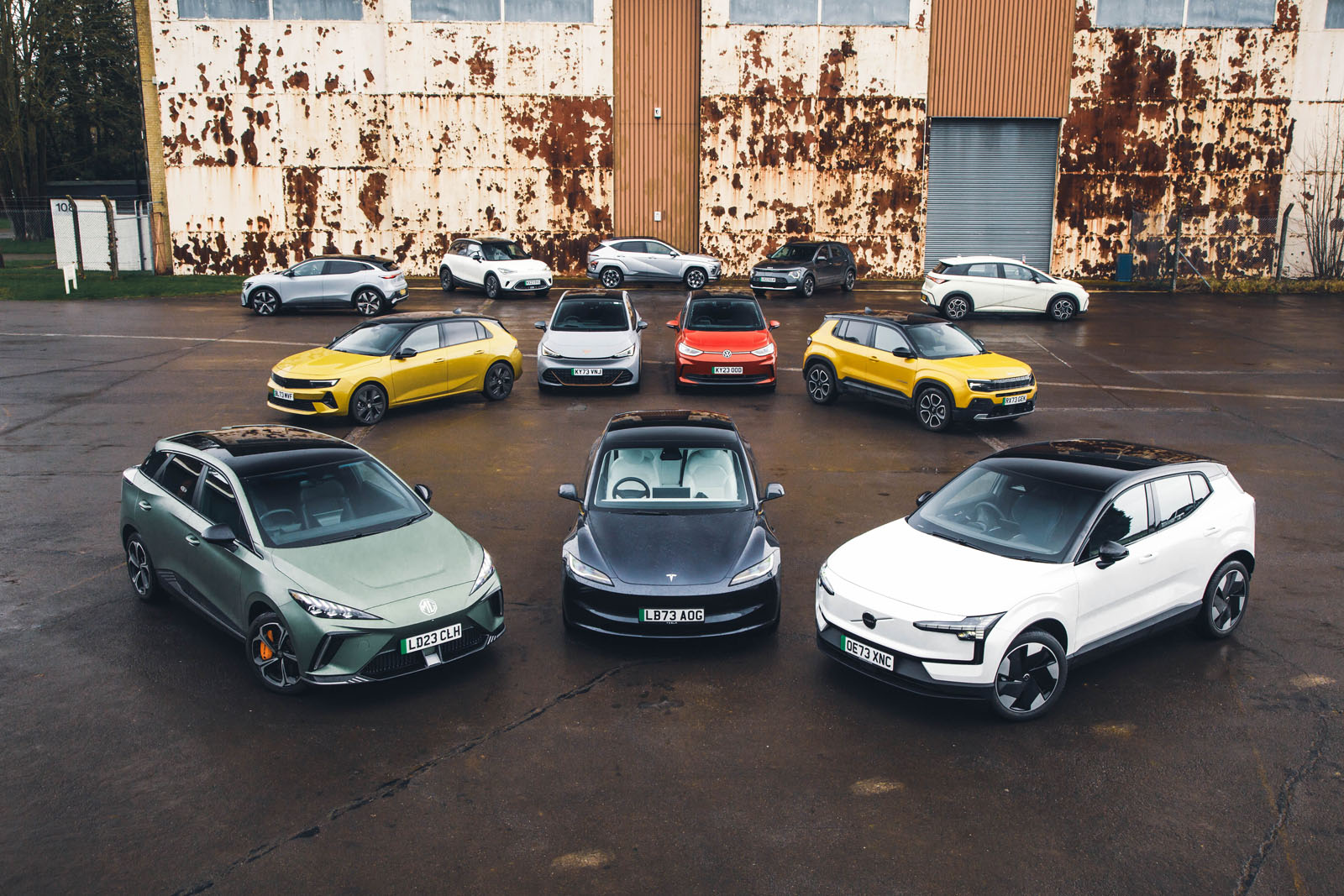
EV ownership is a way of life for some but a mystery to others. I took the plunge five years ago and I’m a certified convert: not only does electrification make for a plesant (and completely different) drive, it has also opened up new opportunities, such as making money from the grid.
If you’re considering making the switch to an EV or you’re simply looking to optimise your ownership experience, here are 10 of my top tips as an expert.
Don’t buy more battery than you need

Since I took the plunge into EV ownership in 2021 with a Kia e-Niro, the rapid charging network has improved out of all recognition.
Depending on your ‘use case’, you don’t necessarily need an EV with a massive battery and the range of your outgoing diesel to do long trips, just a decent charging network.
For me, with the e-Niro’s 64kWh battery and range of around 260 miles, occasional 700 mile round trips with a couple of coffee-and-charge stops each way works out fine.

The battery represents maybe 25-35% of the total value of an EV, so it’s not worth buying battery capacity you rarely use.
That said, an upgrade to a Kia EV3 brings an 81kWh battery and a range of 360 miles plus, making life even easier on long trips. Progress.
Looking for an EV? These are the best electric cars on sale today
When to charge?
As a rule of thumb, I avoid running the battery to less than 20% charge. First off, it’s good for the battery, and on a longer road trip in unfamiliar territory I aim at more for wiggle room in choosing where to charge.
I’ve also experienced my old e-Niro shouting dire ‘low battery state’ warnings at me and experienced the available range evaporating before my eyes below that point.
Which chargers to use
If you’re on a road trip, DC rapid chargers are the way to go.
Compared with my e-Niro, the new EV3 charges far quicker, gaining more than 200 miles of range in 30 minutes.
I like to navigate with Google or Apple Maps and, if it’s a new route, use Zapmap to scope out charging stops, but some might prefer EVs’ built-in sat-navs, which recommend chargers along the route related to remaining range.
Many new EVs use that navigation data to pre-condition the battery temperature for the optimum charging speed, too.
At home, a 7kW ‘wallbox’ charger gives around 25-30 miles per hour and a 13-amp ‘granny charger’ about 10 miles per hour.
Most energy providers have off-peak tariff deals for the early hours; I mostly charge for five hours at 8.12p per kWh.
Assuming you’re able to charge at home, slower is better for most batteries (especially older tech), and it’s cheap.
Read more: How to charge your electric car at home
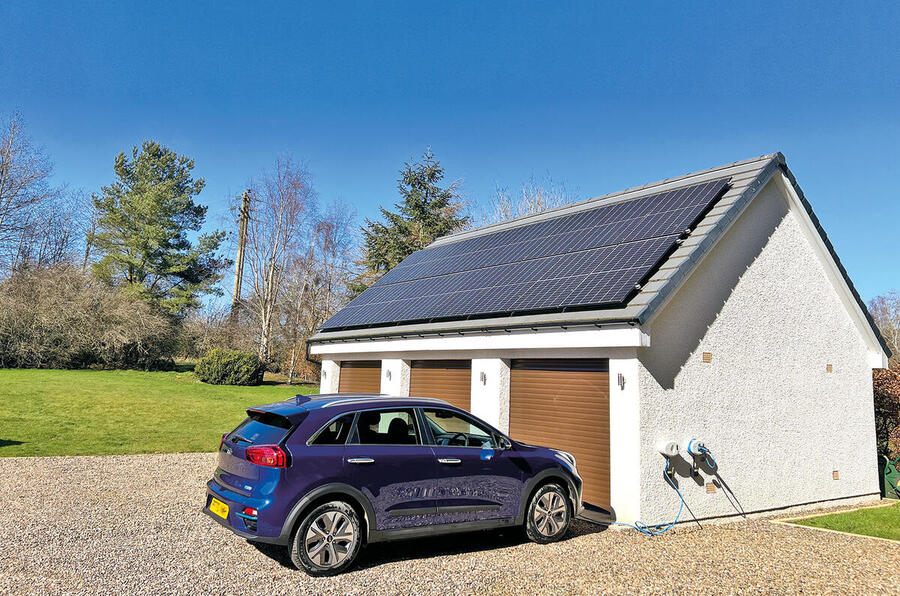
Charging with solar

Related posts





Latest Post


No Comments