
Dacia scraps plan to launch third C-segment model in 2027
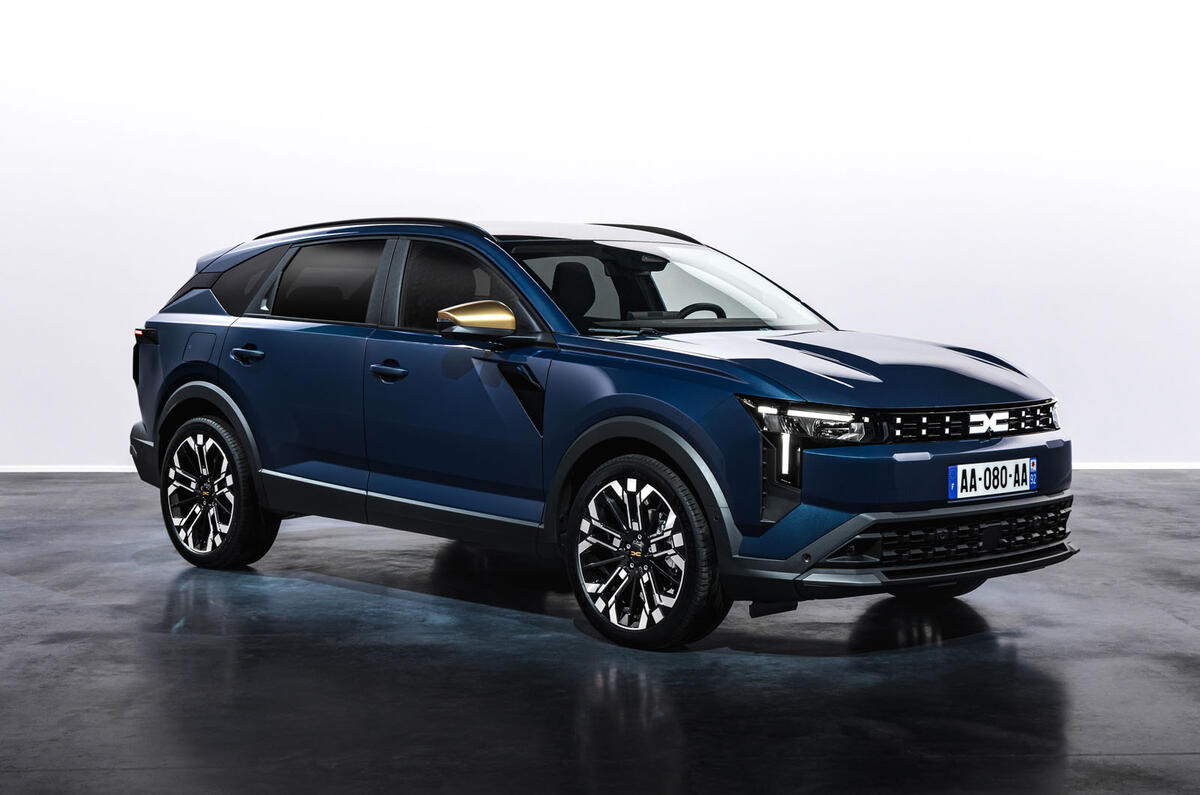
Dacia has put its plans for a third C-segment model on ice to focus on developing its new line of electric cars, including the next-generation Sandero.
The firm began its push into Europe’s biggest market (often referred to as the ‘mid-sized’ segment) in 2024 with the launch of the Nissan Qashqai-sized Bigster SUV, and is soon to expand its presence in the category with the closely related, estate-shaped Striker.

This move into larger cars has been a highly successful one: the Bigster ranked as Europe’s best-selling C-SUV in the second half of last year and Dacia anticipates that the segment will account for a third of its sales by 2030.
However, with the firm now committed to launching four new EVs by 2030 (beginning imminently with the new Spring city car), it has scrapped plans to add a third petrol-powered C-segment model.
The Striker was originally planned to be the second of these 4.5m-long models, with the closely related third entry due to follow next year.

But now Dacia CEO Katrin Adt has poured cold water on the prospect of new mid-sized petrol cars in the immediate future, citing EVs and smaller cars as the priority.
“We have a very successful entry with the Bigster, we see the potential for the Striker and currently we don’t have any other plans,” she told Autocar when asked for an update on the next car.
“We are a brand with not so many products, we are concentrating on the next generation of Sandero etc, so currently there is nothing to declare.”
Dacia hadn’t given any details of what the new car would have looked like. Possible candidates included a sleeker take on the Bigster to rival the Peugeot 3008 and a lower-slung version of the Striker that would have been a more direct rival to the Skoda Octavia.
The next new car Dacia launches is instead expected to be the new Sandero, which will offer a ‘multi-energy’ powertrain line-up. The petrol version is expected to continue on the Renault Clio-derived CMF-B platform, while the EV will use the related RG-EV architecture from the Renault 5.

Related posts

Latest Post


No Comments