
Dacia Bigster 17,000-mile test: The only car you need – for £30k
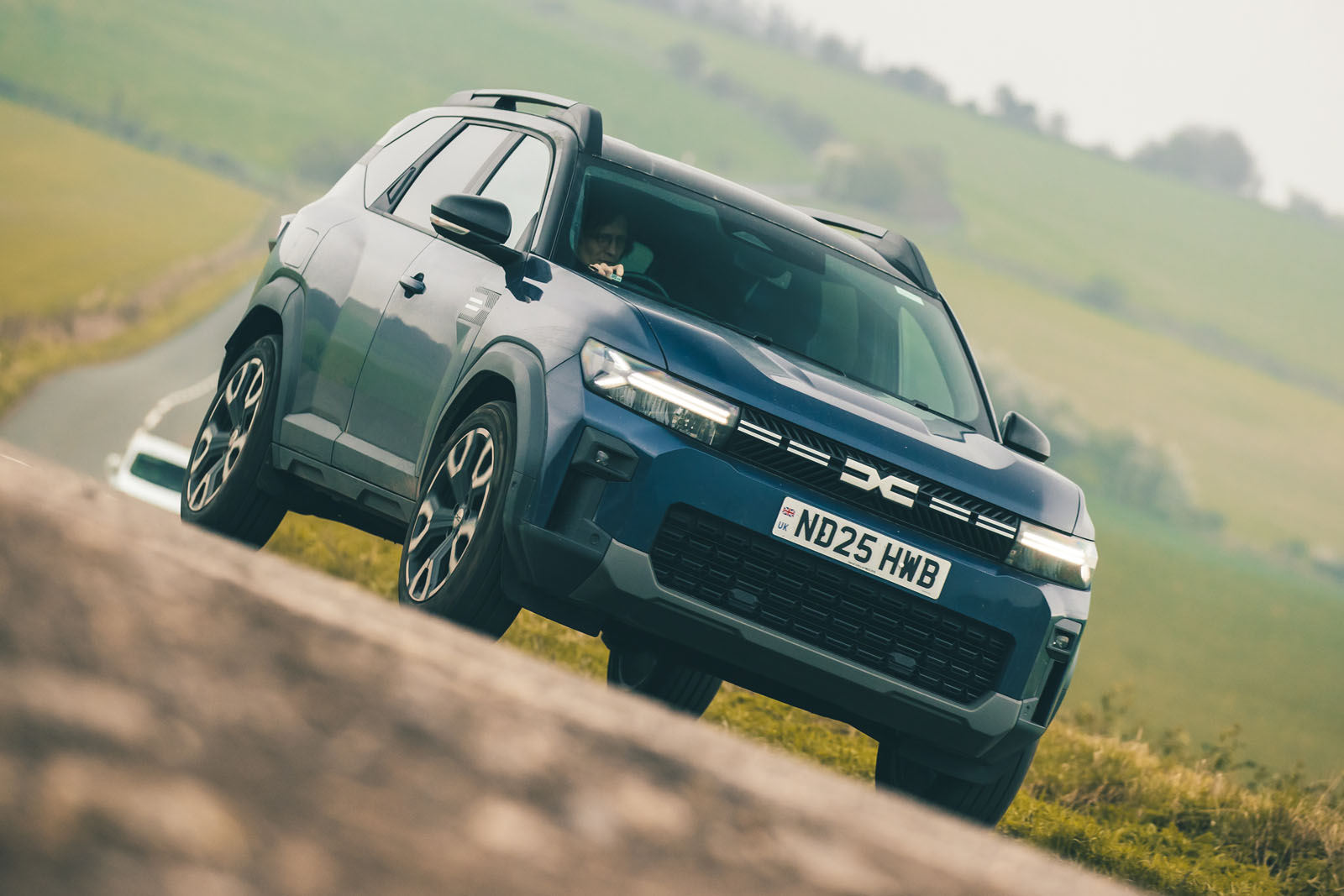
Its total mileage since it was delivered midway through January is equivalent to driving along every motorway in the UK more than three times over – or going from the Autocar office in Twickenham to sun-kissed Honolulu. That would be tricky to do, mind, on account of the Bigster being unable to act as an aircraft or a boat. One clear design flaw right there, frankly.
The car itself reminds me of the Toyota Corolla Commercial that I ran back in 2023, which is to say it’s proving to be pretty much everything I’d like from a modern car in some fairly harsh conditions. By all rights, I ought to be thoroughly sick of the Bigster by now, after the ridiculous number of hours I’ve spent sitting on its fabric seats, but I’m growing far more attached to it than I’d care to admit.

I have yet to find anything about it that really winds me up in the way many modern cars do – which is odd, considering that I’m Mr Glass Half Empty and it does have a few objective flaws.
First, the petrol engine isn’t the smoothest thing around. There are times, particularly on cold starts, when it sounds more like a ride-on lawnmower than a car. Even on the move, it definitely seems more three-cylinder rumble than the smoother hum of a four, and the unorthodox multimodal gearbox sometimes has a habit of keeping itself a gear lower than it feels it ought to be at motorway speeds.
That said, the engine is still not earth-shatteringly noisy, and I don’t really notice any gruffness at lower speeds, thanks to it being part of a full-hybrid system, which is diligent enough in its electric usage for instances of the 1.8-litre unit roaring to life without a significant jab of the throttle to be fairly rare.

Oh, that’s another slight annoyance, actually: the jerk that makes me lurch forward in my seat should I dare to inadvertently lift off as it shifts up a gear. The brake pedal isn’t the smoothest either, having a short initial range of travel in which absolutely nothing seems to happen, followed uncomfortably soon by a stop as if someone has dropped a supertanker’s anchor on the pedal itself.
Again, not great, and I dare say it’s a little telltale of how Dacia keeps the cost of its cars so low, but the regenerative braking is strong enough to slow me most of the way down in good time before a tickle of friction braking brings me to a stop. Having said that, stopping is something the car is quite keen to do all by itself when the active cruise control is enabled – something I’ve moaned about here before.

Related posts


Latest Post


No Comments