-
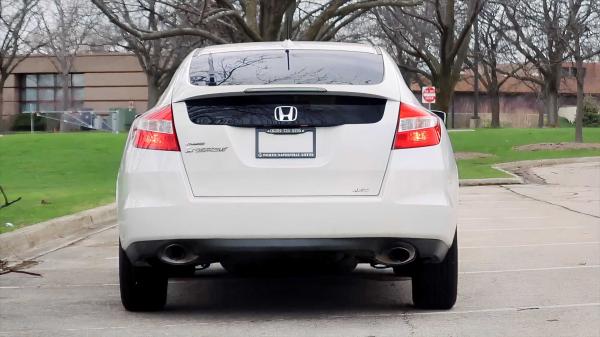 Shooting Cars via YouTube
 -
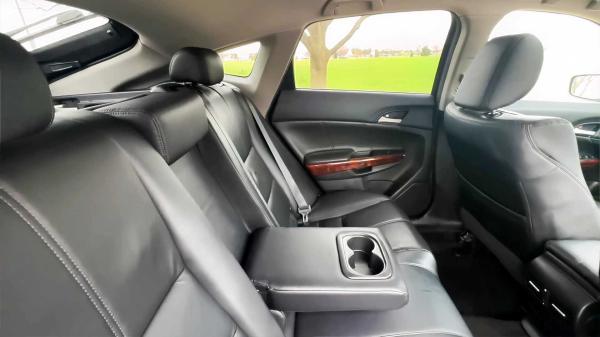 Shooting Cars via YouTube
 -
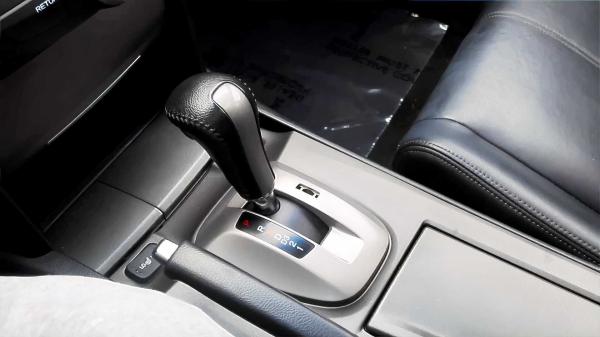 Shooting Cars via YouTube

Honda’s Forgotten Crosstour May Be Coming Back—And That’s Either Great News Or A Warning Sign
4 minutes reading
Monday, 27 Jul 2026 22:00 0 7 autotech
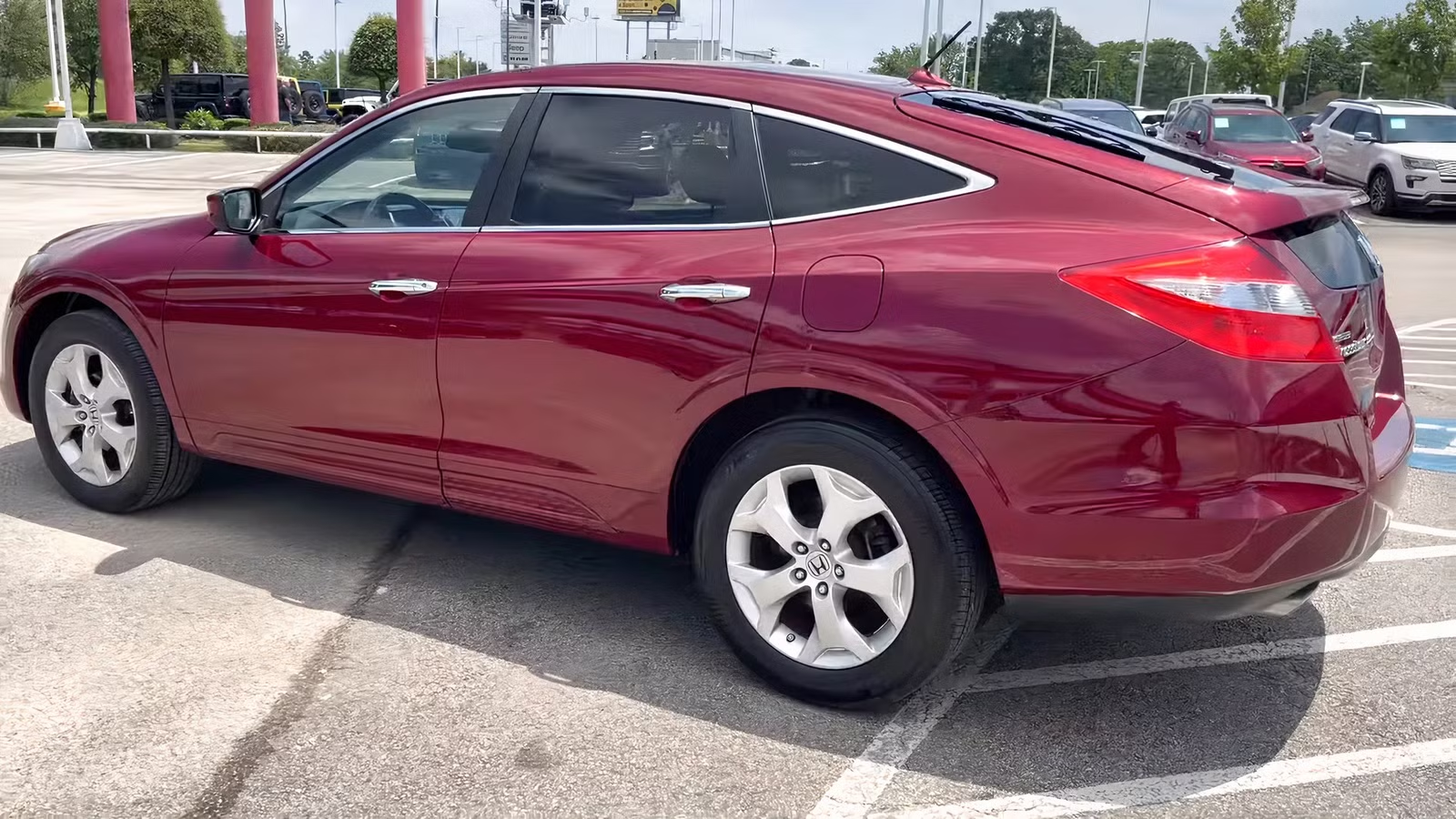
Honda is reportedly considering a revival of the Accord Crosstour—the fastback wagon-crossover hybrid that confused buyers and died quietly in 2015—and the timing is either perfect or deeply misguided depending on how you read the current market. Reports surfaced on July 27, 2026, pointing to a lifted Accord hatchback with hybrid power targeting a 2029 launch, positioned squarely against the Subaru Outback and Toyota Crown Signia.

10 autotech
For anyone who remembers the original Crosstour, that pitch sounds familiar. Honda tried something similar once before, and it didn’t go well. The question worth asking now isn’t whether Honda can build a lifted Accord — it’s whether the market that rejected the Crosstour in 2015 has actually changed enough to welcome it back.
What Made The Original Crosstour Such A Strange Machine
The Accord Crosstour ran from 2010 to 2015 and occupied one of the most awkward positions in Honda’s lineup. Built on the Accord platform, it wore a sloping fastback roofline that ate into rear headroom, sat slightly higher than a standard sedan, and offered available all-wheel drive—but it wasn’t quite a crossover, wasn’t quite a wagon, and wasn’t quite a hatchback. It was all three things at once, which meant it fully satisfied none of them.

31 autotech
Under the hood, the Crosstour came with either a 2.4-liter four-cylinder making 192 horsepower or a 3.5-liter V6 producing 271 horsepower, paired to a five-speed automatic. Those were respectable numbers for the era, and the interior carried over the Accord’s practical cabin dimensions. But the roofline compromise hurt cargo access, and the styling—that swooping rear end—polarized buyers who expected either a proper wagon’s boxy utility or a crossover’s upright stance. Honda marketed it as a premium lifestyle vehicle. Buyers weren’t buying it, literally or figuratively.
Why It Failed—And Why That Matters For A Revival

Sales never caught fire. The Crosstour peaked modestly and spent most of its run being outsold by the Accord sedan it was supposed to complement. By 2015, Honda pulled the plug without a replacement. The core problem wasn’t the hardware — it was the identity crisis baked into the concept. Buyers shopping a crossover wanted ground clearance and a high seating position. Buyers shopping a sedan wanted trunk space and a clean roofline. The Crosstour offered a middle ground that neither group was actively seeking.
There’s also the timing argument. The Crosstour launched into a market that still had real crossover momentum building but hadn’t yet fully abandoned sedans. By the time it was discontinued, the crossover wave had crested into a full flood. Traditional sedans were already declining. The Crosstour’s niche—between those two worlds—was getting squeezed from both sides simultaneously.
The Market Has Shifted—But Has It Shifted The Right Way?
Here’s the argument for a Crosstour revival actually making sense in 2029: wagons have effectively vanished from the American market, fastback styling is having a genuine moment, and lifted Accord-style vehicles now have real competition to point at. The Subaru Outback and Toyota Crown Signia both prove there’s a buyer for a car-based, slightly elevated, wagon-adjacent machine. Honda targeting that space with Accord underpinnings and a hybrid powertrain isn’t crazy.
But the counterargument is just as strong. The buyers who loved the Outback loved it because it looked like a wagon and drove like a car—the Crosstour’s fastback compromise never delivered that cleanly. And Honda would be entering a segment where Subaru has spent decades building brand loyalty. A lifted Accord hybrid in 2029 needs to be sharper than the original Crosstour in every dimension—styling clarity, interior packaging, and price positioning—or it risks repeating the same identity-crisis failure with a hybrid badge on it.
The original Crosstour wasn’t a bad car. It was a confused one. Whether Honda has learned the right lessons from that confusion is the real question worth watching as 2029 approaches.

Related posts



Latest Post


No Comments