
The BMW i4 Convertible Is Coming Sooner Than You Think
Article Summary
- The electric BMW i4 Convertible will be sold alongside the G23-generation 4 Series Convertible, which remains in production until mid-2029.
- Like its combustion-powered 4 Series Convertible counterpart, the new two-door i4 will feature a fabric soft top and four seats.
- Before the i4 Convertible arrives in 2028, the i4 nameplate will go on hiatus after the i4 Gran Coupe bows out next year.
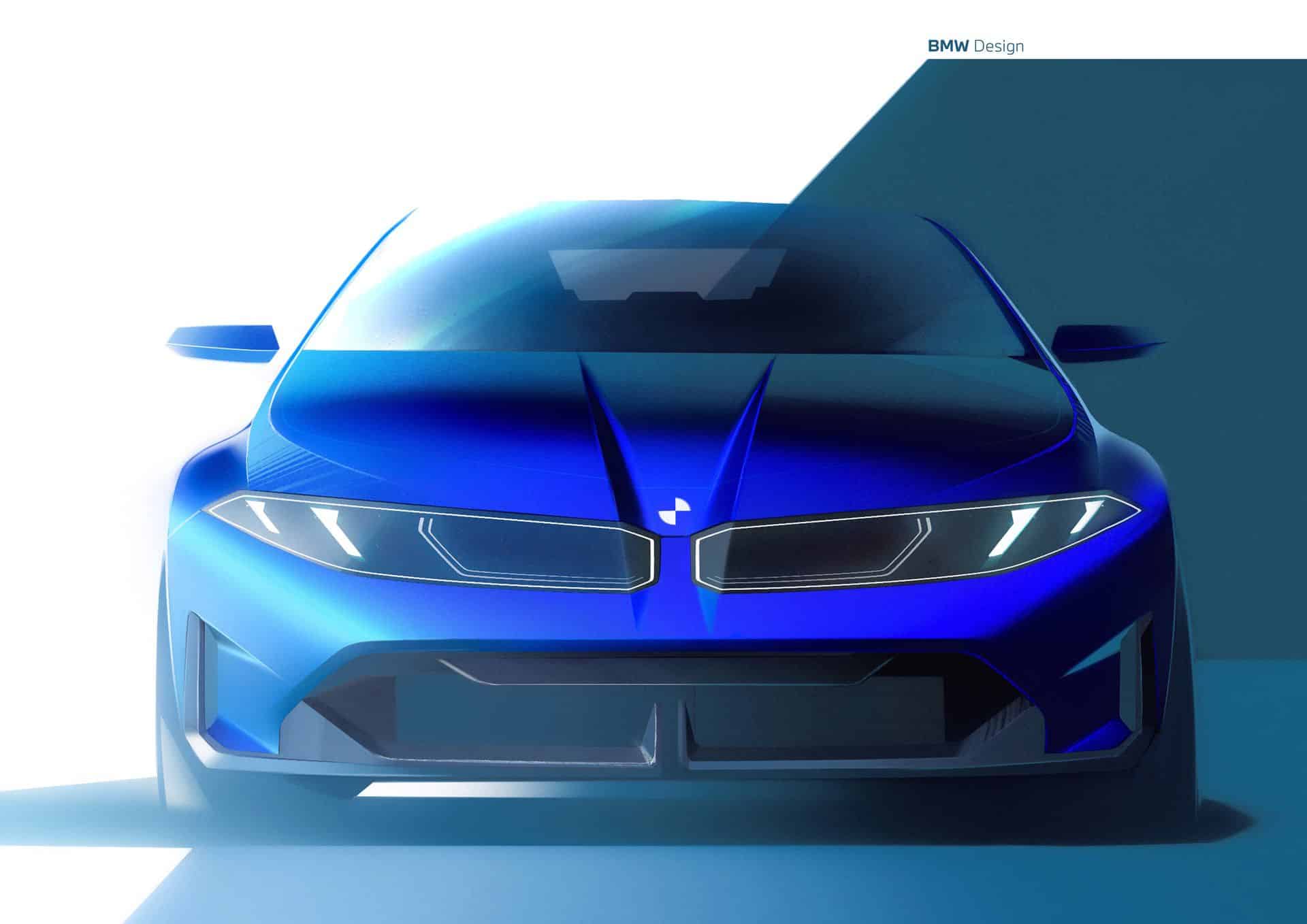
As you’ve likely heard by now, the i4 is not long for this world. All signs point to BMW retiring the electric 4 Series Gran Coupe next year, with no direct replacement planned. However, we’ve been talking about the possibility of two-door i4 models for years. Now, we’re confident in saying that at least a convertible is on its way.
Our sources close to BMW claim the i4 with a folding roof will launch in 2028 under the “NA3” internal codename. It will expand the Neue Klasse 3 Series electric lineup, following the recently revealed i3 Sedan and next year’s i3 Touring. Like today’s combustion-powered 4 Series Convertible, its electric counterpart will have four seats.

Since it’s being developed from day one as a purely electric car, it won’t inherit the packaging constraints associated with combustion-engine vehicles. In theory, that should allow for a longer wheelbase by pushing the wheels farther outward and reducing the overhangs. A greater distance between the axles typically translates into a roomier cabin, which is exactly what a 2+2 convertible needs.
The BMW i4 Convertible Will Have A Fabric Roof
Don’t hold your breath for the F33 hardtop’s return. We believe the i4 Convertible will have a fabric roof like the 4 Series Convertible on sale today. Opinions are split regarding the preferred roof style, but automakers generally favor soft tops because they’re lighter. They also don’t take up as much space in the rear when folded. Less complexity typically translates into lower production costs. Let’s be brutally honest: that’s a universal goal among automakers these days.

When the i4 Convertible arrives, it won’t automatically spell the end for the open-air 4 Series with combustion engines. Rumor has it the G23 will remain in production at the Dingolfing plant until mid-2029, alongside the G83 M4 Convertible. It’s too early to say whether BMW intends to give the new i4 the M treatment. Knowing how it likes to M all the things, we wouldn’t completely rule it out.
BMW Is Likely Making An i4 Coupe, Too
It would make sense for BMW to bring the rumored i4 Coupe (NA2) to fruition as well. Doing so would improve economies of scale given how much of the costs would be split between the two models. These lifestyle models would be cut from the same cloth as the i3, so many of their secrets are likely already out in the open. We recently dissected the sedan after its full technical specifications were published alongside the i3 First Edition’s launch in Europe.
| Length | 4760 mm |
|---|---|
| Width | 1865 mm |
| Height | 1480 mm |
| Wheelbase | 2897 mm |
| Weight | 2205 kg |
| Cargo capacity (rear) | 420 liters |
| Cargo capacity (front) | 31 liters |
| Horsepower | 463 hp |
| Torque | 645 Nm |
| 0-100 km/h time | 4.7 seconds |
| Top speed | 200 km/h |
| Battery net capacity | 108.7 kWh |
| WLTP range for i3 First Edition with 19-inch wheels | 906 km |
| WLTP range for standard i3 | 912 km |
| 10-80% charge time (at 400 kW) | 21 minutes |
| 10-minute charge (at 400 kW) range | 320–423 km |
Of course, many of these figures will differ for the i4 models, but they’re sufficient to provide a rough idea of what to expect from the two-door cars. It’s worth noting that a convertible is typically heavier than a sedan or coupe since it requires additional chassis bracing after losing the roof. Logic suggests the Gen6 motors and batteries will be shared between the i3 and i4 models.
With 2028 not that far away, it likely won’t be long before camouflaged i4 Convertible (and potentially the i4 Coupe) prototypes start showing up in spy photos.

Related posts

Latest Post


No Comments