
Petrol, diesel, hybrid or electric: which company car is right for you?
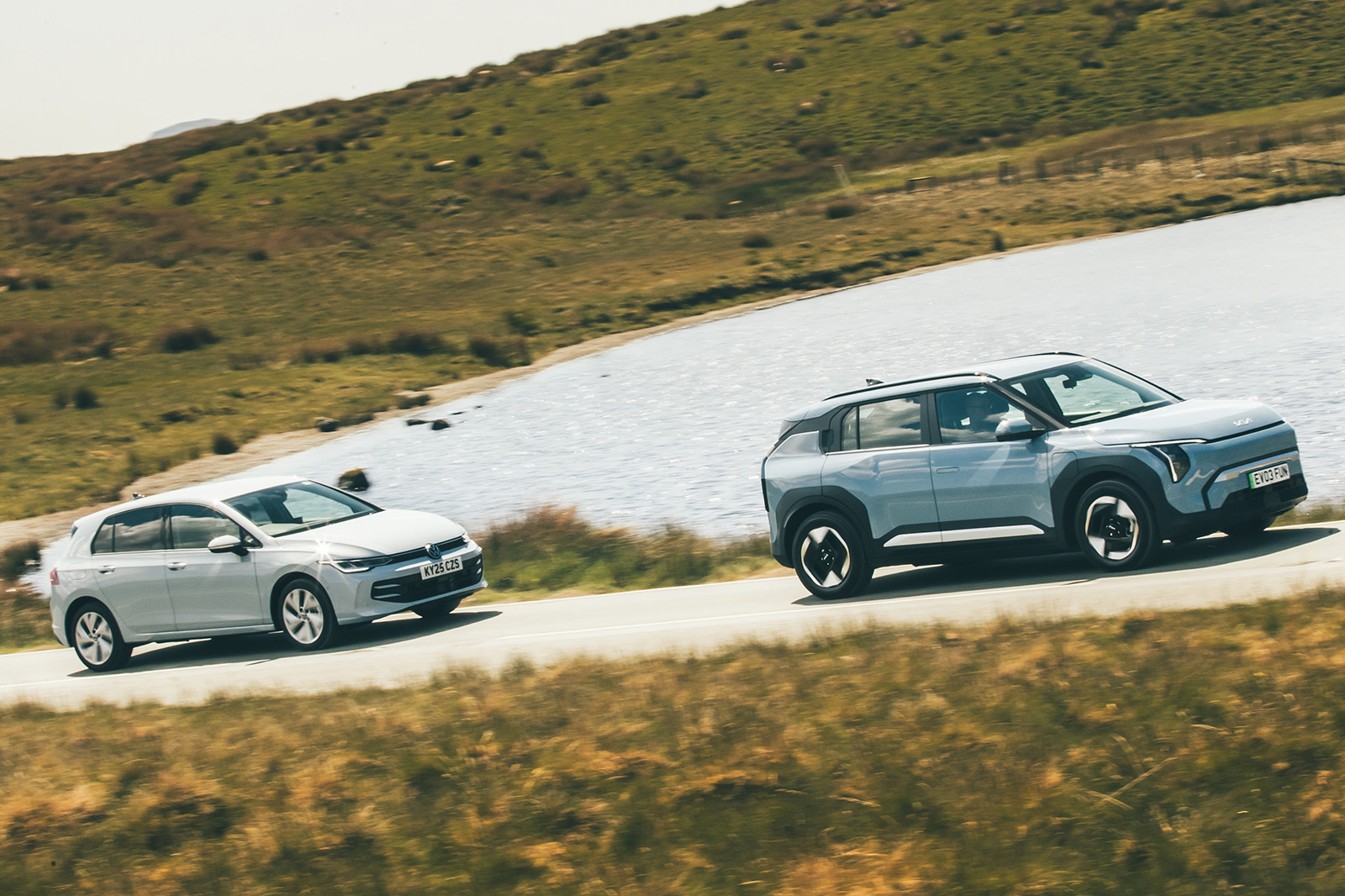
Diesel
The diesel engine enjoyed a decade of strong demand in the UK following a reform of the company car tax system in 2002.
Designed to incentivise efficient, low-CO2 vehicles, cheap Benefit-in-Kind (BiK) tax created an almost overnight ‘dash for diesel’ in the fleet sector, doubling its market share to 60% of company cars and slashing average emissions by 15g/km within two years. By 2012, over half of all new registrations, including private cars, were diesel-powered.

That market has collapsed quickly since then as public perception has changed, tougher emissions regulations have made diesel engines more expensive, BiK has increased and the choice of models has declined.
Diesel’s share of the company car market has since fallen behind hybrid and electric vehicles, and it became the least popular fuel choice for new lease cars back in 2022, according to the British Vehicle Rental and Leasing Association (BVRLA). Plenty of once-popular diesel cars are now petrol or hybrid only.

Who should consider a diesel company car? It’s a niche market, but if you’re regularly towing or don’t have for regular, pricey charging stops, then a diesel can still make sense.
Petrol
Petrol is the most popular fuel for passenger cars globally, and it’s benefiting from an influx of investment as manufacturers rush to fill the gap left by diesel engines.
With precise fuel injection and ‘mild-hybrid’ technology (a very light form of electrification), todays downsized petrol engines can deliver the sort of efficiency you’d have only wrung out of a diesel car a few years ago.
For drivers, the main advantage is choice: unlike diesel or hybrid cars, manufacturers typically offer petrol versions across their entire model range, and they’re cheaper than either of those alternatives. However, a small, turbocharged petrol engine can still be thirsty if it’s working hard, and company car tax can be almost as pricey as the finance costs for buying privately.
Who should consider a petrol company car? Drivers who can’t plug in at home, and who need a wider choice of vehicles than are available with a hybrid system.
Hybrid
Fleets were quick to take advantage of tax breaks for full hybrids (sometimes referred to as ‘self-charging’ hybrids) when the first models launched in the UK more than 25 years ago. These usually combine a petrol engine with one or more electric motors, which provide assistance under load and offer a short range on battery power while coasting.

Related posts


Latest Post


No Comments