
Hyundai’s Twin-Turbo V6 Is Already Gone—What Happens To The N Line If The Whole Lineup Goes Hybrid?
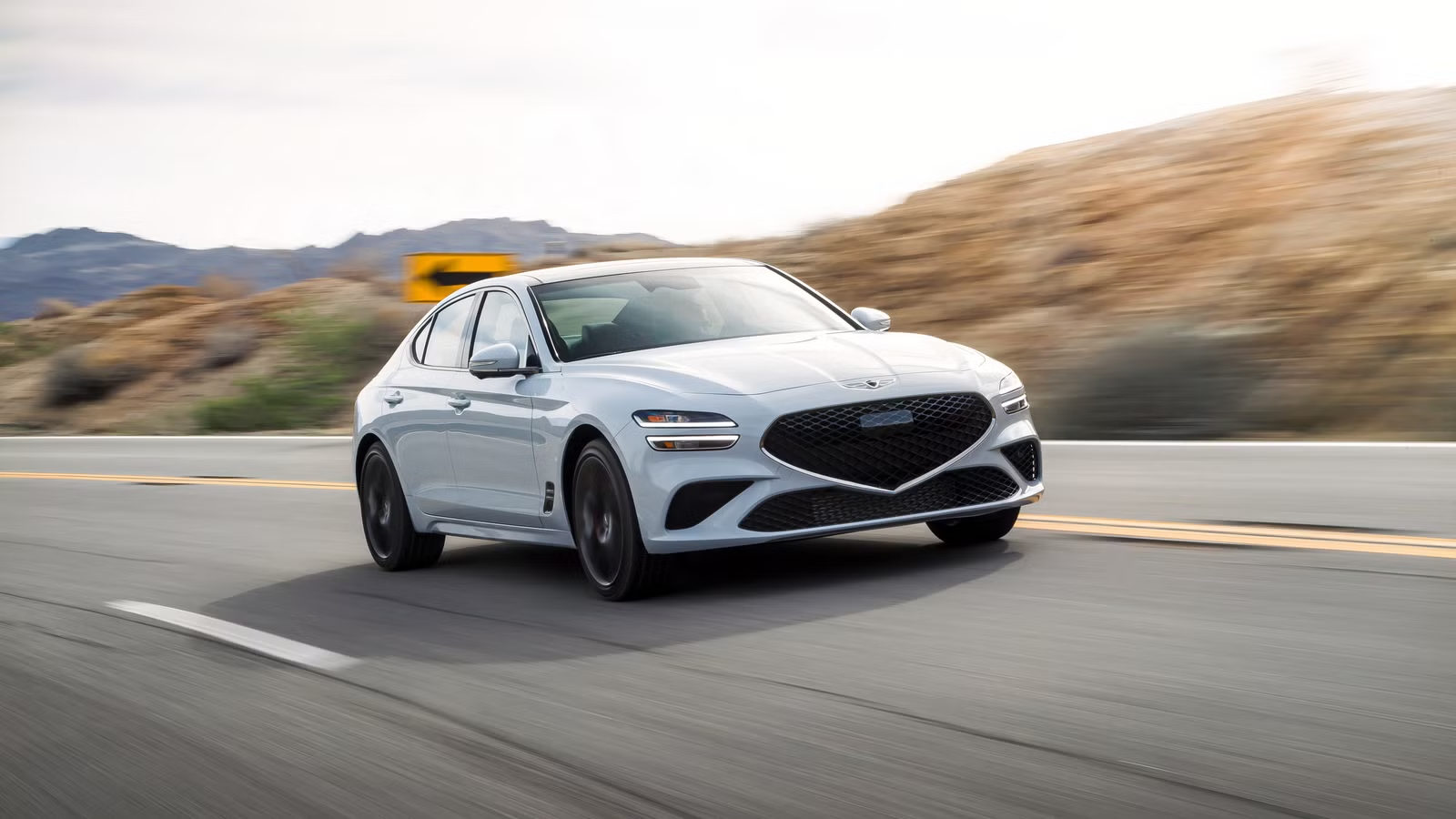
Hyundai is reportedly moving toward a hybrid-only powertrain strategy across its lineup — a shift that has real implications for the brand’s performance identity. The twin-turbocharged V6 that once anchored the Genesis-badged side of the family is already gone, and now the question is whether the N Line, Hyundai’s most credible enthusiast credential, can survive a mandatory-hybrid future with its character intact.

The CarsDirect report, published July 1, frames the move as Hyundai following a path Toyota has already walked—asking, essentially, what a pure gasoline engine does that a hybrid doesn’t do better. That’s a reasonable question for a Tucson or Santa Fe buyer. For someone who bought an Elantra N specifically because of its 276-horsepower turbocharged four-cylinder and rev-happy manual transmission, the answer is considerably more complicated.
What Hyundai’s Hybrid Pivot Actually Means For The Lineup
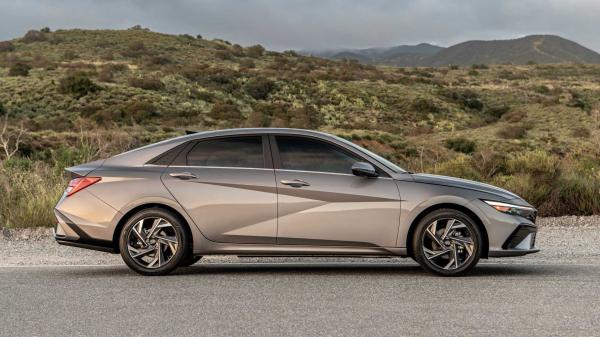
The reported strategy would see Hyundai phase out combustion-only powertrains in favor of hybrid systems across its core models. Hyundai and Kia together set June sales records on the back of a hybrid surge, which gives the business case real momentum. Hybrid variants of the Tucson and Santa Fe have already become strong sellers, and the 2027 Elantra—recently revealed with a significantly redesigned body—is expected to lean further into electrified powertrains.

Hyundai hasn’t issued a formal public statement confirming a hard cutoff date for combustion-only models, and the timeline for any full transition remains unconfirmed. What is clear is that the direction of travel is set. The brand’s internal language, per Motor1’s reporting, frames hybrids as simply better than gasoline-only engines for most use cases—a position that works fine for the mainstream lineup but creates friction the moment you apply it to performance variants.
The N Lineup’s Identity Is Built On Turbocharged Combustion

The Elantra N—currently the most accessible entry point into Hyundai’s performance world—runs a 2.0-liter turbocharged four-cylinder making 276 horsepower and 289 lb-ft of torque, paired with either a six-speed manual or an eight-speed wet-clutch automatic. The Veloster N, before it was discontinued, shared a similar 2.0-liter turbo architecture. At the top of the N hierarchy sits the Ioniq 5 N, which is fully electric and makes 641 horsepower in its overboost mode—proof that Hyundai can build a genuinely fast EV performance car.
But the Ioniq 5 N is a different kind of performance machine. It delivers straight-line force and track capability through an entirely different sensory experience than the Elantra N’s mechanical directness. The question enthusiasts are already asking is whether a hybridized Elantra N—with an electric motor supplementing a smaller turbocharged engine—would feel like an evolution of that car or a replacement that happens to share the badge.
Hybrid Performance Is Possible—But The Execution Has To Be Right

A hybrid powertrain doesn’t automatically mean a slower or less engaging car. Toyota’s GR Corolla remains combustion-only for now, but Honda’s Acura division is accelerating toward a hybrid-only future, and performance variants of electrified platforms have shown genuine promise. The challenge for Hyundai’s N division is preserving the specific qualities—throttle response, exhaust note, manual transmission availability, and the mechanical feel that made the Elantra N a credible hot hatch—while integrating hybrid hardware that adds weight and changes power delivery characteristics.
Hyundai’s N division has demonstrated engineering ambition with the Ioniq 5 N, including features like simulated gear shifts and artificial sound design meant to replicate combustion engagement. Whether those solutions satisfy buyers who chose the Elantra N precisely because it doesn’t need to simulate anything remains an open question—and one Hyundai will have to answer clearly as the transition takes shape.
The 2027 Elantra’s reveal suggests the next-generation car is coming soon, and what powertrain sits under that new body will be the clearest signal yet of where the N variant is headed. For now, the current Elantra N remains on sale as-is. If you’ve been on the fence about one, the window on the combustion-only version may be shorter than it looks.

Related posts


Latest Post


No Comments