
The All-New BMW X5 Has Five Powertrains, Including A V8 Performance Model On The Way
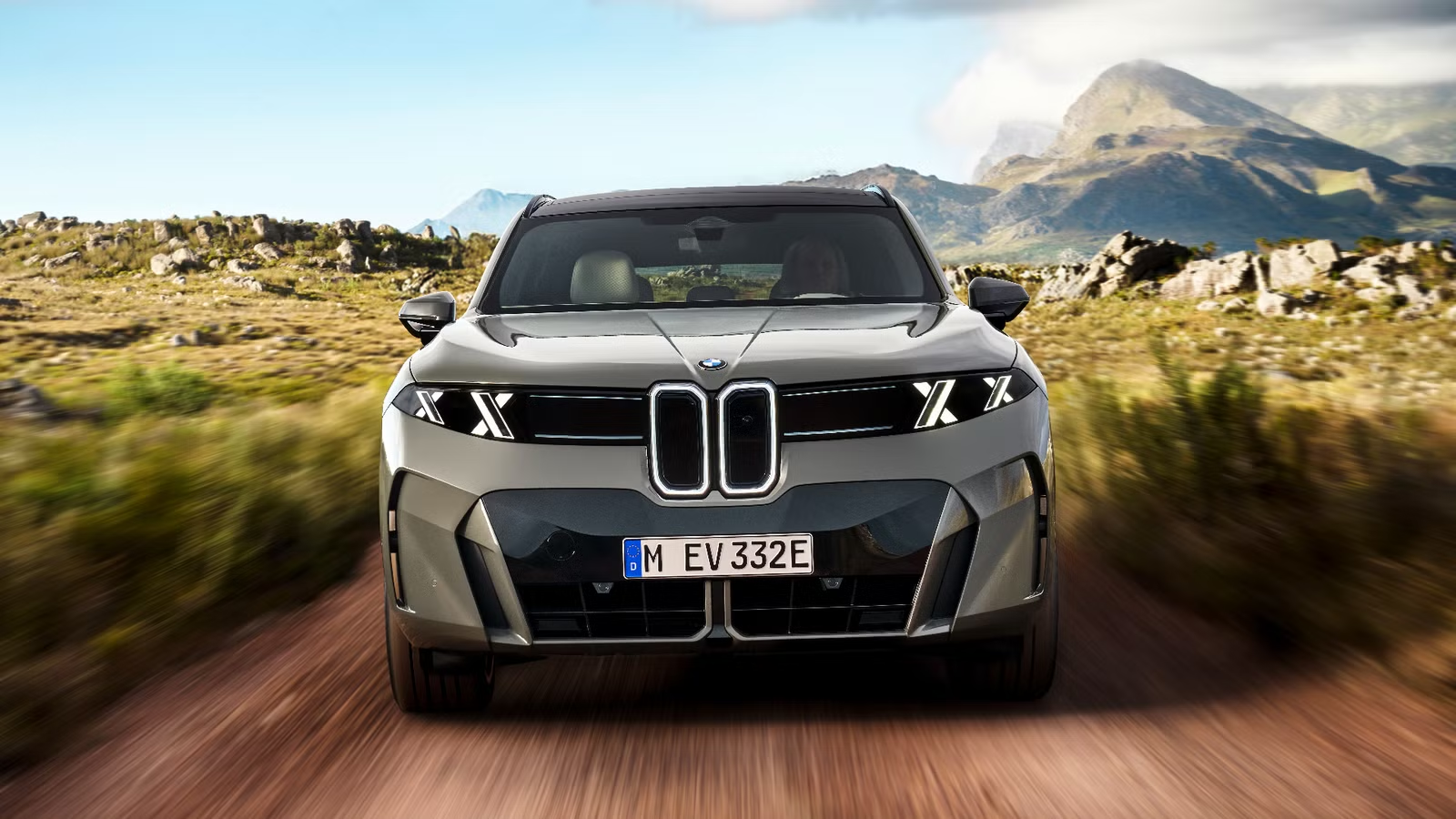
BMW is throwing everything it has at the next-generation X5, and we mean everything. The fifth-generation luxury SUV is shaping up to be one of the most versatile models the company has ever built, offering buyers a choice of five completely different powertrains. Whether you want a traditional gas engine, a diesel, a plug-in hybrid, a fully electric SUV, or even a hydrogen-powered model, the new X5 has you covered. Best of all, enthusiasts can breathe a sigh of relief because BMW has confirmed that a V8-powered performance model is still on the way.


The New X5 Is BMW’s Most Ambitious SUV Yet

The new X5 marks the beginning of a new chapter for BMW as it adopts the brand’s latest Neue Klasse design language while becoming the first production BMW to offer five different propulsion systems in a single model line. That’s a huge milestone for the German automaker, especially at a time when most manufacturers are putting all their focus on electric vehicles. Instead, BMW is taking a different approach by giving customers as much choice as possible. Buyers will be able to choose between gasoline, diesel, plug-in hybrid, battery-electric, and hydrogen power depending on where they live and how they use their SUV. It’s a strategy that feels refreshingly realistic, especially since not every market is ready to go fully electric.
The redesign is just as significant as what’s underneath the hood. The new X5 gets a much bolder front end with illuminated kidney grilles, an upright stance, and new “double-X” daytime running lights that immediately separate it from the outgoing model. Around the sides, BMW has introduced sleek Winglet door handles that sit flush with the body and use electrically assisted opening mechanisms, giving the SUV a cleaner and more futuristic appearance without losing the muscular proportions that have defined every X5 before it.
BMW Isn’t Ready To Say Goodbye To The V8

One thing enthusiasts noticed immediately after the reveal was the lack of a V8 engine in the initial lineup. Every combustion-powered model announced so far uses BMW’s excellent turbocharged inline-six, but many feared that the iconic twin-turbocharged 4.4-liter V8 had quietly been retired from the X5 altogether.
Thankfully, that isn’t the case. BMW has confirmed that an M Performance version equipped with the V8 is already in the works. While it won’t be a full-blown X5 M, it will sit at the top of the regular lineup and deliver the kind of effortless power and soundtrack that enthusiasts have come to expect. Although BMW hasn’t officially revealed the name, it’s widely expected to wear the X5 M60 badge, continuing the brand’s latest naming strategy that drops the “i” from gasoline-powered models while reserving it exclusively for electric vehicles.
The decision to keep the V8 alive is significant because the list of luxury SUVs still offering eight-cylinder power is shrinking every year. Tougher emissions regulations have forced many automakers to downsize or electrify their performance models, making BMW’s commitment to offering a V8-powered X5 feel increasingly rare in today’s market.
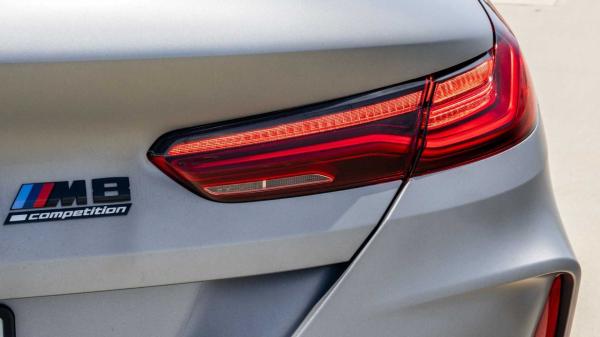
The 10 Fastest BMW Models Ever, Ranked
BMW has become a synonym for driver engagement and performance and these are its fastest cars ever.
Production Starts This Year As BMW Looks To Cover Every Base

BMW will begin building the fifth-generation X5 at its Spartanburg, South Carolina plant in August 2026 before the first gasoline and diesel models reach customers later this year. Plug-in hybrid and fully electric versions are scheduled to arrive in early 2027, with the V8-powered M Performance model expected to join the lineup after launch. By offering five distinct powertrains in one vehicle, BMW is making sure the X5 remains relevant no matter where the market heads over the next decade.
HOTCARS TAKE

BMW deserves credit for refusing to force buyers into a one-size-fits-all future. While plenty of brands are abandoning combustion engines altogether, the new X5 proves there’s still room for choice. Even better, enthusiasts won’t have to wave goodbye to the twin-turbo V8 just yet. As more performance SUVs lose their character in the name of efficiency, BMW is making sure the X5 can still put a smile on your face while embracing whatever the future of motoring ends up looking like.

Related posts



Latest Post


No Comments