
Kia’s 2027 Niro Refresh Drops EV And PHEV—Leaving Hybrid As The Only Option
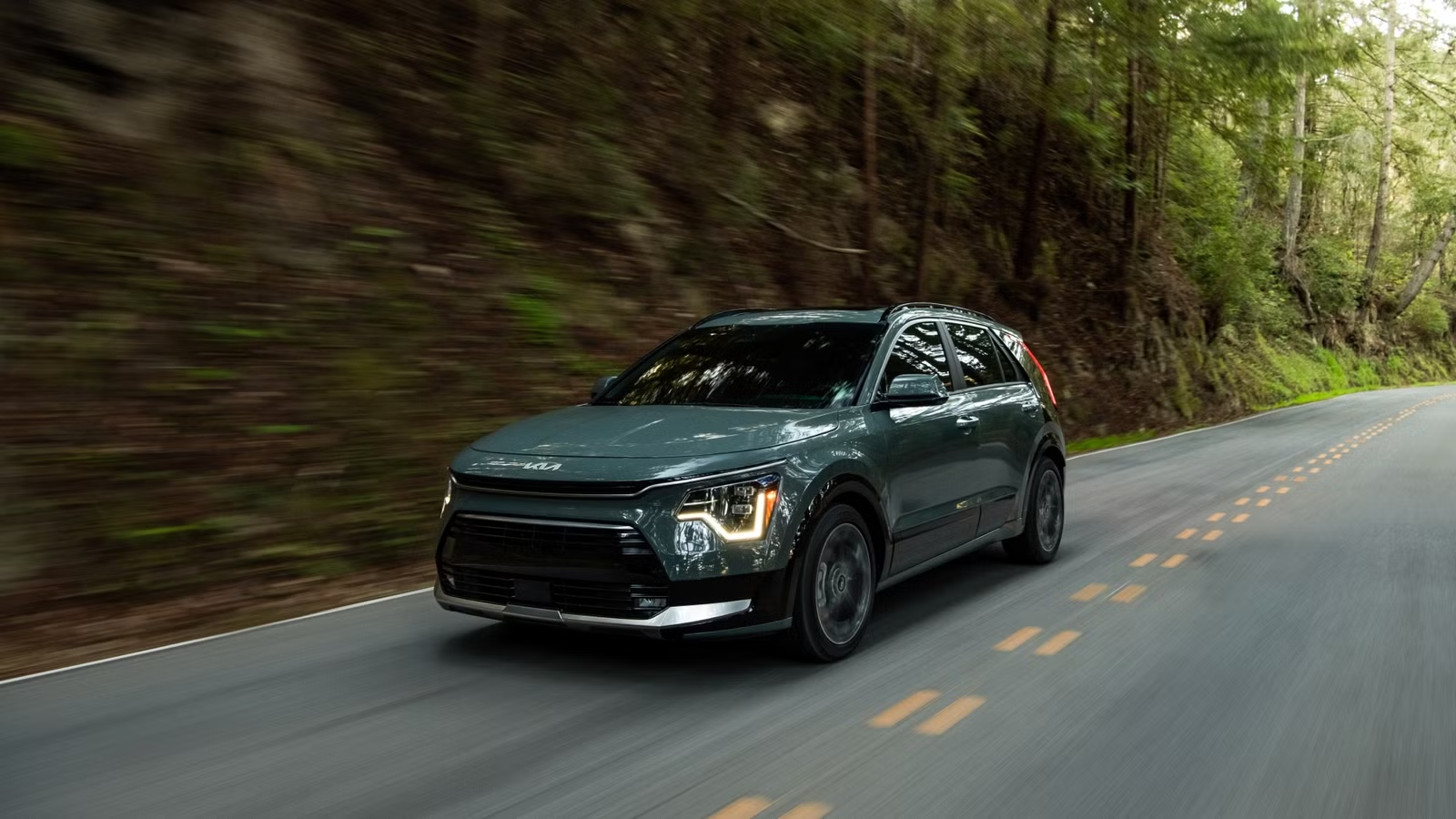
The 2027 Kia Niro arrives with a sharper exterior, a more modern cabin, and a notable subtraction: the EV and plug-in hybrid variants are gone. For a nameplate that was once positioned as a one-stop electrification shop—offering buyers a standard hybrid, a PHEV, and a fully electric version under the same roof—that’s a significant step back. The refresh was announced on July 1, 2026.

The standard hybrid is now the only powertrain available for 2027. Buyers who were drawn to the Niro specifically because it offered a spectrum of electrified options will need to look elsewhere in Kia’s lineup—or outside it entirely. Here’s what changed, what’s been dropped, and what it means if you’re shopping this segment.
What’s New in the 2027 Niro Refresh
The refreshed Niro gets an exterior update that brings it closer in line with Kia’s current design language—cleaner lines, revised front and rear fascias, and a look that feels more cohesive with newer models like the Seltos and Telluride. Inside, the cabin receives meaningful upgrades: updated infotainment, revised materials, and a layout that feels less budget-focused than the outgoing model.

The hybrid powertrain itself carries over largely unchanged, pairing a 1.6-liter four-cylinder with an electric motor for a combined output of 139 horsepower. It’s a capable, efficient setup for daily driving—just not a particularly exciting one. Fuel economy remains a strong suit, and the Niro’s compact dimensions keep it practical in urban environments. The refresh makes a good case for the Niro as a sensible hybrid commuter; it just no longer makes a case for much else.
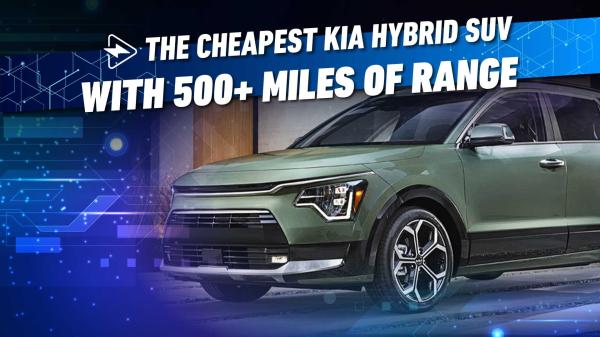
The Cheapest Kia Hybrid SUV With More Than 500 Miles Of Range Today
The cheapest Kia hybrid SUV with more than 500 miles of range also happens to be the cheapest hybrid that the brand makes.
The EV And PHEV Are Out—And The PHEV Was Already Gone

The Niro PHEV was actually discontinued after the 2025 model year—Kia quietly dropped it for 2026 before this refresh was announced. The 2027 update makes the hybrid-only direction official and extends it to the EV as well. The Niro EV, which had been one of the more affordable electric options in the segment and was still being actively leased as recently as mid-2026, will not continue into the new model year.
Kia hasn’t offered a detailed public explanation for the consolidation, but the broader context isn’t hard to read. Subcompact EV sales have faced pressure across the industry, and Kia’s own EV lineup has shifted toward larger, higher-margin models like the EV6 and EV9. Concentrating Niro resources on the hybrid—where demand is steadier and margins are less volatile—reflects a pragmatic call, even if it disappoints buyers who valued the lineup’s range of options. Honda has made a similar pivot recently, pulling back on EV ambitions to refocus on hybrids and conventional powertrains.
How The Niro Now Stacks Up Against Key Competitors

The powertrain consolidation matters most when you compare the 2027 Niro to what else is available in the segment. The Toyota RAV4 still offers both a standard hybrid and the RAV4 Prime plug-in hybrid—giving buyers a clear upgrade path if they want more electric range without committing to a full EV. The Honda CR-V Hybrid remains a strong alternative for buyers who want a proven hybrid in a compact SUV package, and while Honda has pulled back on some EV plans, the CR-V lineup hasn’t been stripped down in the same way.
The Niro’s hybrid-only status isn’t necessarily a dealbreaker—139 horsepower and solid fuel economy still make it competitive on the basics. But buyers who specifically want a plug-in option in this size class now have fewer reasons to stay within the Niro family. The RAV4 Prime, in particular, fills that gap directly and has a strong track record. For a segment where powertrain choice has become a genuine differentiator, the Niro’s narrowed lineup is a real limitation.
What This Signals About Kia’s Broader EV Direction

Kia’s EV strategy hasn’t reversed—the brand is still pushing hard on dedicated electric platforms with models like the EV6, EV9, and the upcoming EV3. What the Niro consolidation suggests is that Kia is drawing a cleaner line between its EV-platform models and its traditional lineup. The Niro, built on a conventional architecture, may simply not be the right vehicle to carry EV and PHEV variants when purpose-built EVs are available elsewhere in the range.
For buyers, the practical takeaway is straightforward: if you want a Kia with a plug, the Niro is no longer the answer. The EV6 and EV9 are the electric options, and they come at a higher price point. The 2027 Niro hybrid is a well-executed compact SUV for buyers who want efficiency without complexity—but the days of the Niro serving as an entry point to electrification at multiple levels are over.

Related posts



Latest Post


No Comments