
1970 Chevrolet Nova With 61,000 Miles: Survivor Vs. Restomod
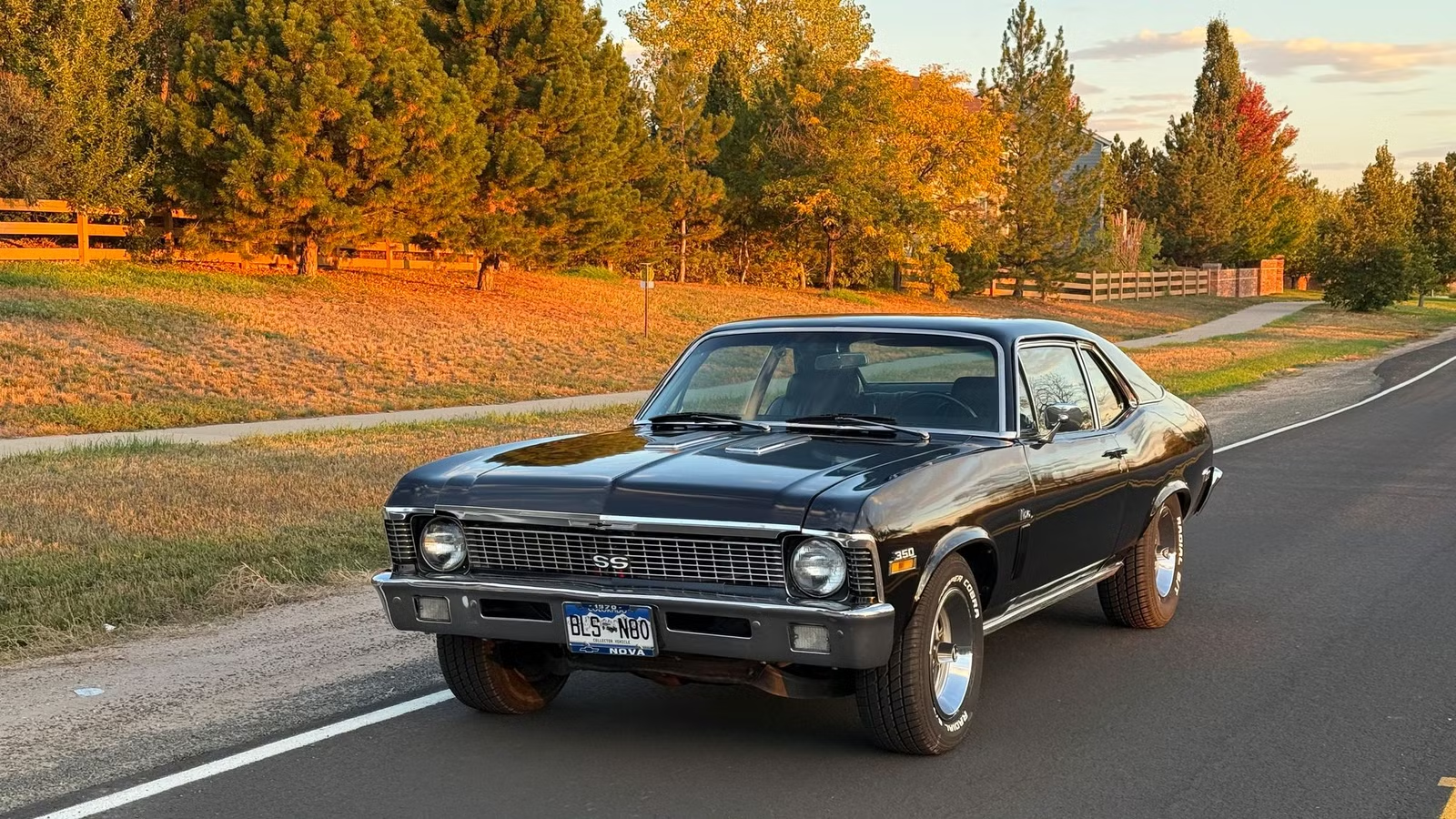
A 1970 Chevrolet Nova with just 61,000 miles on the odometer surfaced for sale this week, and it’s worth pausing on for reasons that have nothing to do with horsepower numbers. While six-figure restomods built around 442 Holiday Coupes and sub-1,000-mile Camaros keep eating up auction headlines and Instagram feeds, this Nova represents the quieter, cheaper side of the same hobby: a car that’s survived five decades mostly unmolested.

That distinction matters more than it sounds. A low-mile survivor and a modern restomod aren’t competing for the same buyer, even when they’re parked in the same price bracket. One sells originality. The other sells reinvention. This Nova is a clean look at what the former still gets you in 2026.
What 61,000 Miles Actually Means On A 1970 Nova
A Nova pushing past its 50th birthday with only 61,000 miles logged isn’t rare because the engineering was fragile — it’s rare because most compact Chevys from this era got driven hard, modified, raced, or simply used up as cheap transportation long before anyone thought to preserve them. The Nova wasn’t Chevrolet‘s halo car in 1970; it was the budget-conscious compact beneath the Chevelle and Camaro in the brand’s lineup, which means fewer were babied from day one.

Low mileage on a car this old isn’t just a vanity number. It typically tracks with originality elsewhere: unworn factory upholstery, a drivetrain that’s never been pulled for a rebuild, sheet metal that’s dodged the rust and collision repairs that erase matching-numbers status. For collectors chasing originality rather than outright performance, that combination is the whole point of the hunt.
Survivor Versus Restomod Is Two Different Hobbies Wearing The Same Badge
Compare that to what’s dominating auction stages right now. Builds like the recently covered 442 Holiday Coupe restomod or a sub-1,000-mile Camaro turned into a modern pro-touring machine aren’t chasing originality at all — they’re chasing usability and spectacle. Buyers paying six figures for those cars want fuel injection instead of a tired carburetor, four-wheel disc brakes instead of drums, and a cabin that doesn’t punish a daily commute. They’re also, often, paying for the social-media moment: a build that photographs well and generates attention at a cars-and-coffee meet.
A matching-numbers survivor like this Nova offers none of that modern convenience. What it offers instead is authenticity that can’t be manufactured after the fact — you can build a restomod from any rough donor car, but you can’t manufacture 61,000 original miles. That scarcity is becoming its own kind of currency as the restomod market gets crowded with similar builds chasing the same headlines.
Why The Gap Between The Two Markets Keeps Widening

Restomod pricing has climbed because builders are selling an experience: a classic silhouette with modern drivability, marketed hard toward buyers who want a weekend car without the maintenance headaches of a 50-year-old fuel system. Survivors like this Nova sell a different story — patience, originality, and a lower cost of entry into a genuine piece of Chevrolet’s compact-car history. As six-figure restomods keep setting the pace at major auctions, cars like this Nova are quietly becoming the more accessible way into the hobby, and likely the more durable long-term bet for buyers who care more about provenance than horsepower.
Not every Nova needs a modern drivetrain and a five-figure paint job to matter. Sometimes the more interesting car is the one that never needed fixing in the first place.

Related posts




Latest Post


No Comments