
1968 Corvette Sale Exposes Soft C3 Market Values
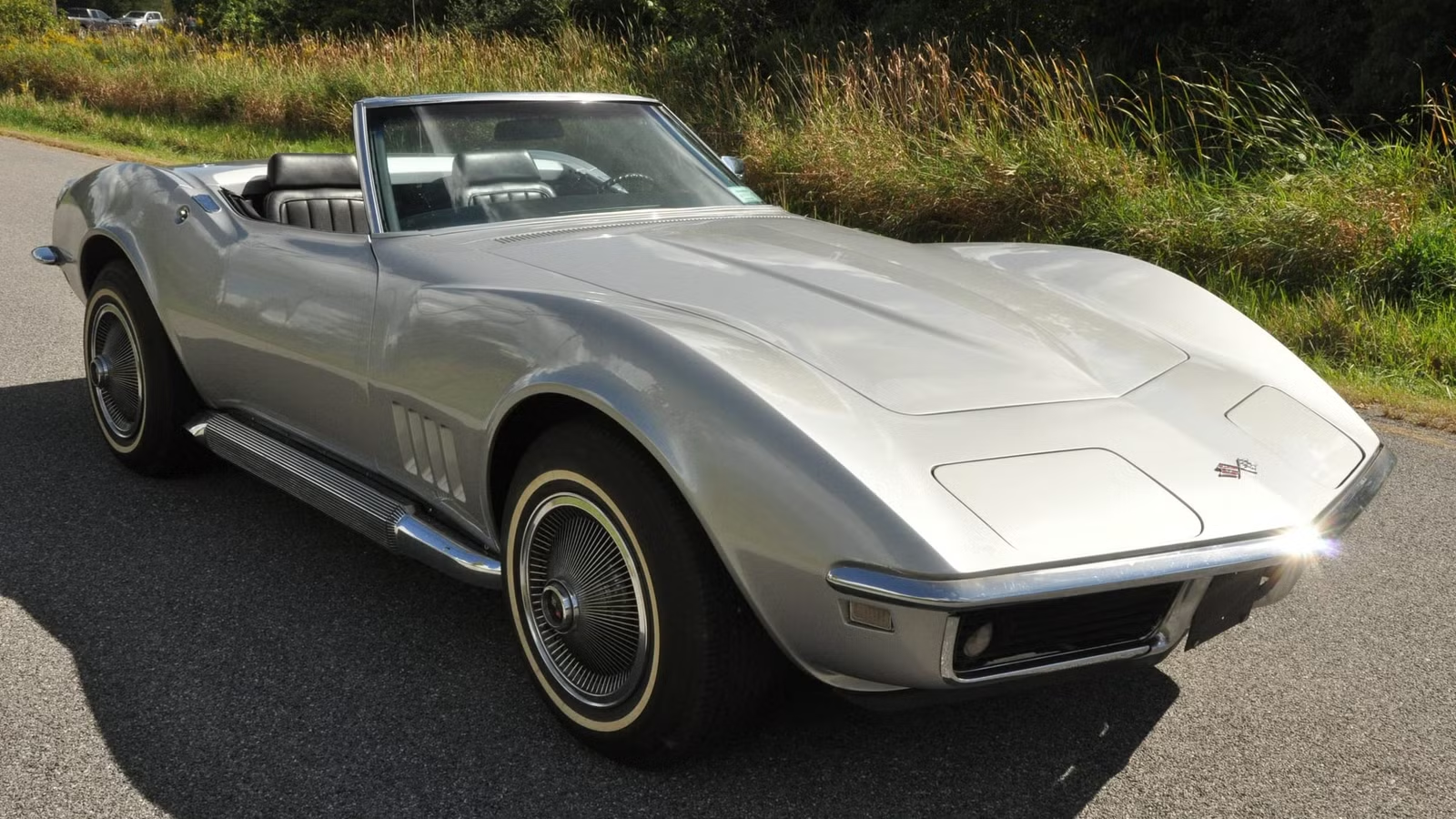
A numbers-matching 1968 Chevrolet Corvette with a 327-cubic-inch V8 just sold at auction for $36,500, and the backstory should have pushed that number a lot higher. The same family owned the car for 47 years, and it barely left the garage over the last decade. It only hit the block because the last owner passed away. Instead of commanding a premium for that kind of unbroken provenance, it sold for less than a new Nissan Pathfinder.

That result, reported this week, lands as a reality check for the early C3 market. Collectors have spent years insisting that documented ownership history and low mileage are what separate a good buy from a great one. This sale suggests the market isn’t backing that claim up, at least not for base-engine 1968 Corvettes.
The Numbers Behind The Sale
Hagerty’s five-year pricing data on the 1968 Corvette convertible with the 327 in good condition shows a steady slide, not a crash. Add it up over five years, though, and values are down roughly $8,400, or about 30%. That’s a slow bleed, the kind that doesn’t make headlines until a car with this much story behind it fails to clear $40K.

ConceptCarz auction data backs up the trend. The median sale price for 1968 C3s sat at $44,000 back in 2021 and has dropped to $38,500 in 2026, even with a healthier 88% sell-through rate this year. Convertibles are running a median of $37,400, sport coupes around $32,000. A 327-powered 300-hp car, like the one that just sold, carries a median of just $24,000. The $36,500 result for this particular car, with its family history and low recent mileage, actually lands above that median, but still well short of what sellers clearly expected.
Why Big-Blocks And C2s Are Pulling Away
The generational split inside the Corvette market itself tells the real story. ConceptCarz’s data shows 427-cubic-inch, 435-hp 1968 Corvettes posting a median of $56,100, more than double what a 327 car brings. Even the milder 390-hp 427 holds a median around $37,950. Meanwhile, C2 Corvettes and other big-block muscle cars from the same era have kept climbing while base C3 cars stall out.
The gap comes down to what the cars represent. Buyers chasing halo-level performance and rarity are still writing big checks for 427s and C2 Sting Rays. A base 327 convertible, no matter how clean or well-documented, doesn’t carry that same mystique. Provenance matters, but it’s not enough to override an engine code that was never the exciting option to begin with.
The Baby Boomer Problem Nobody Wants To Say Out Loud

The buyers who drove 1960s muscle car prices skyward for decades are aging out of ownership. The median Baby Boomer is around 70 now, past the point of road trips and weekend drives, and increasingly past the point of wanting to deal with fiberglass body cracks or sourcing parts that AutoZone doesn’t carry. That dynamic shows up across golden-age muscle car values broadly, not just on Corvettes.
Classic cars were never supposed to double as retirement accounts, and this sale is a reminder of that. The upside for buyers who actually want to drive one of these cars is obvious: a clean, numbers-matching 1968 Corvette just got a lot more attainable. Whether that’s a silver lining or a warning sign depends on which side of the garage door you’re standing on.

Related posts




Latest Post


No Comments