
Charging complexity risks bottlenecking EV fleets
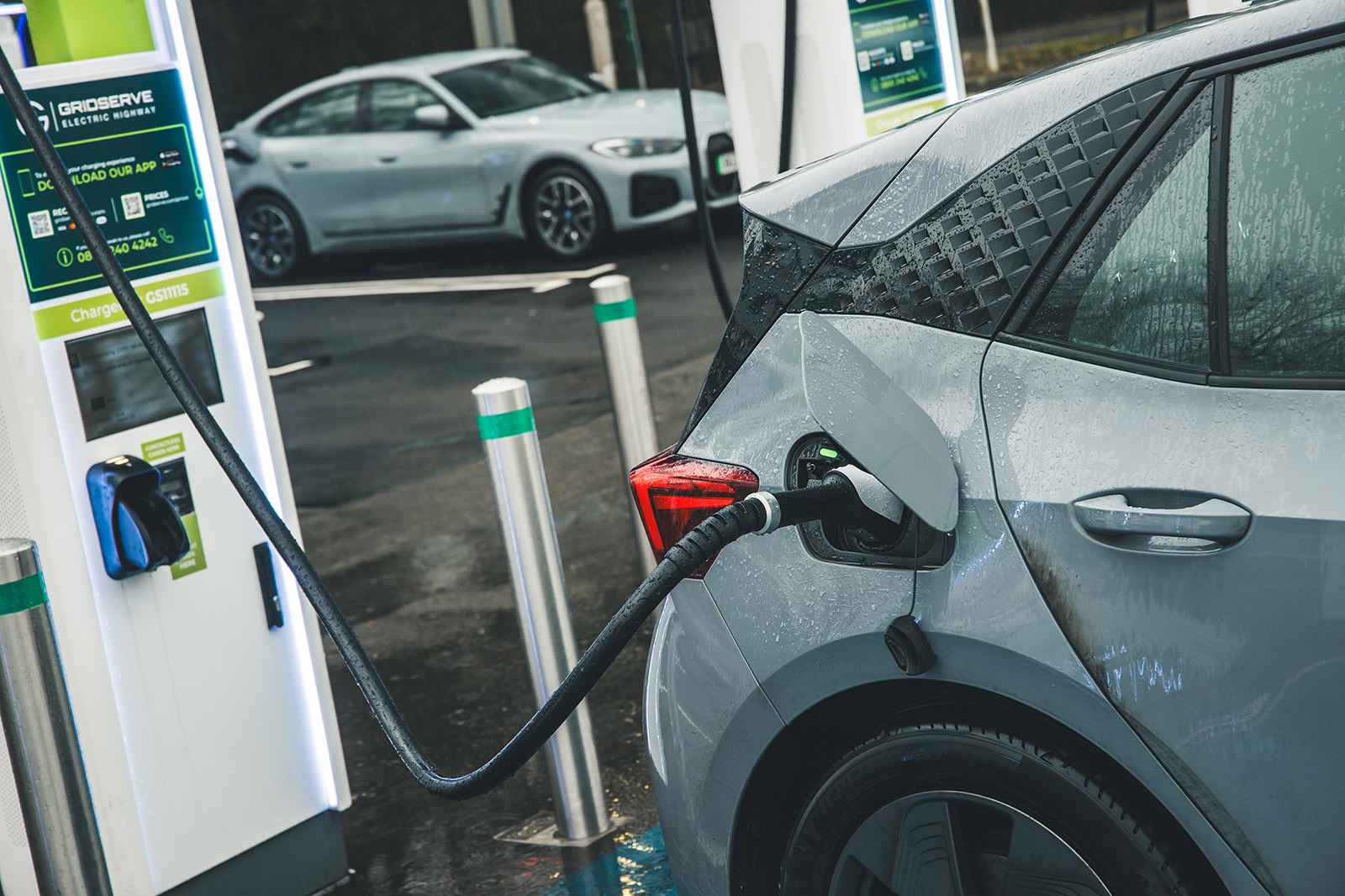
Managing an increasingly complex charging ecosystem has become a growing challenge for fleets as electric company cars move from pilot-scale deployments into mainstream use, ChargePoint has warned.
Ore Oluwatudimu, its solutions engineering director for Europe, told Autocar that fleets are no longer concerned about whether electric cars are fit for purpose but are instead struggling with the much larger volume of charging sessions – spanning homes, workplaces and public networks – as electrification scales up.

In turn, it has become harder for them to keep track of who is charging, where they’re plugging in, the energy used and differing costs across multiple providers, workplaces, reimbursement schemes and energy tariffs, he added, which has strategic implications.
Charging locations can have a significant impact on operating costs and suitability. Drivers who can plug in at home could pay as little as 7p per kWh of electricity if they charge overnight, whereas the most expensive public DC rapid charging networks cost 92p per kWh.
Based on those figures, a Volkswagen ID 3 Pro Match could cost 2p or 23p per mile, depending on where it’s charged. That’s 86% cheaper or 80% pricier than a petrol Volkswagen Golf eTSI, which becomes the cheaper option if more than half of the energy is supplied by a DC charger.

“Electrification strategies are becoming increasingly data-driven,” said Oluwatudimu. “Rather than simply asking how many vehicles can be electrified, operators are focusing on where charging can be delivered most efficiently, while maintaining control of total cost of ownership and ensuring drivers have reliable access to charging wherever they need it.”
ChargePoint operates 927 public chargers in the UK, according to Zap-Map, but the business is changing its focus.
On 30 June, it cut off access to its network via its own app and RFID cards, unless they were provided by the driver’s employer, fleet company or leasing provider. Other users can still access the network with contactless payment and third-party roaming providers. Now it’s prioritising offering charging equipment and software solutions for businesses.
For corporate fleets, the aim is a reduced operating burden and leaving fleet managers to focus on their vehicles instead of charging infrastructure.
This includes tools such as the Driver Management Solution (DMS), which works across home, workplace and public charging, giving fleet managers a consolidated view of energy usage and costs, while automating expenses claims from drivers.
The alternatives are either using the HMRC-approved Advisory Electric Rate (AER) of 7p per mile for home and 15p per mile for public charging and apportioning the journey across the two or setting their own rates and proving that they’re accurate.
‘Dynamic load management’, which shifts energy use into cheaper periods, and chargers with a more efficient centralised (instead of per-unit) AC-to-DC conversion are also designed to reduce the cost of operating depot-based chargers.
“In time, fleet charging will improve how it integrates charging infrastructure, fleet management platforms, telematics systems and energy networks,” Oluwatudimu said.

Related posts






Latest Post


No Comments