
The Subaru SUV With Toyota DNA Most Buyers Never Notice
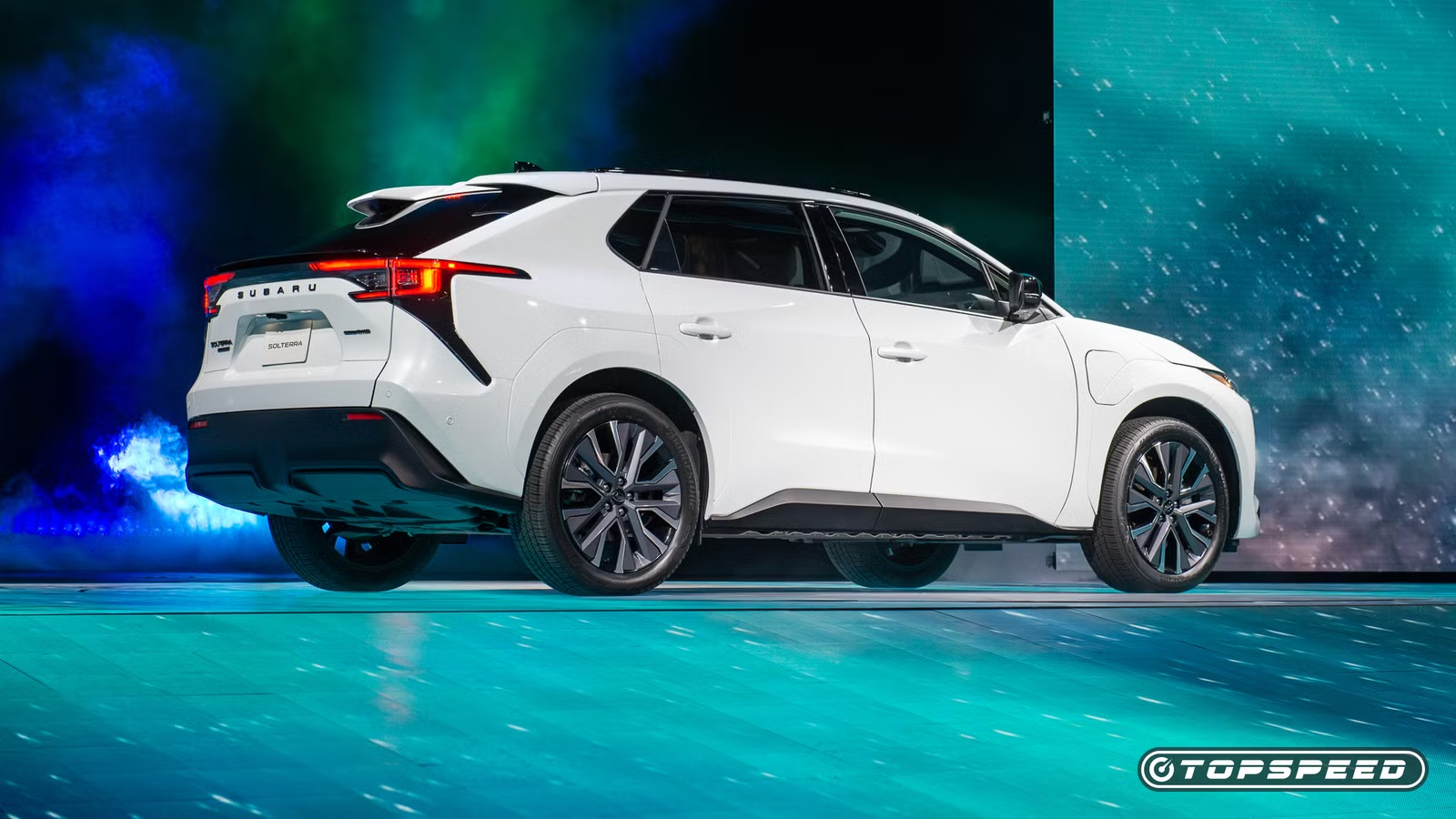
Subaru has built its reputation on doing things differently—think boxer engines, symmetrical all-wheel drive, and a strong outdoorsy appeal, all of which have earned the brand an exceptionally loyal following. The Solterra ushers in a new era: instead of developing its first electric SUV alone, Subaru collaborated with Toyota to speed up its EV debut. While the Solterra shares much of its engineering with the Toyota bZ4X, Subaru went beyond a simple rebadge, reworking the platform to deliver the all-wheel-drive performance, practicality, and confidence its buyers expect. For 2026, that Subaru distinction is more evident than ever.
Why Subaru Needed An Electric SUV
The Brand Could Not Ignore EVs Forever

For years, Subaru held back from the rapid shift to battery-electric vehicles, opting instead to refine its current lineup and adopt electrification gradually. But as emissions regulations tightened, demand for electric SUVs surged, and competition intensified, waiting was no longer an option. Subaru needed a dedicated EV, yet building one from the ground up would have meant enormous costs and years of development.

The answer was a partnership Subaru already knew well. Having successfully collaborated on the Subaru BRZ and Toyota GR86, Subaru and Toyota combined their engineering expertise to develop a shared electric SUV platform.

By sharing development costs and technology, both companies were able to bring competitive electric SUVs to market far more quickly than they could have independently.


Toyota contributed much of the underlying EV architecture, battery technology, and electric drivetrain. At the same time, Subaru concentrated on the areas it has spent decades perfecting: all-wheel-drive capability, chassis tuning, and the confidence-inspiring driving character that defines its SUVs. The result was the Solterra—Subaru’s first all-electric SUV. Rather than abandoning the brand’s identity, it gave Subaru a way to embrace electrification.
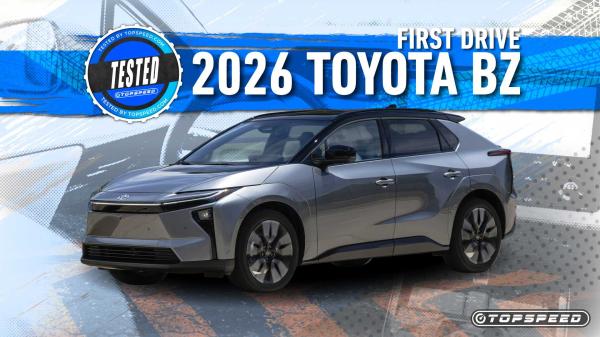
2026 Toyota bZ First Drive: Improved In All The Right Places
Fixes and tweaks addressing past criticisms reenergize Toyota’s first-ever mass BEV SUV.
The Subaru Solterra Shares More With Toyota Than Most People Realize
Subaru And Toyota Built It Together.

At first glance, the Subaru Solterra and Toyota bZ4X look like typical corporate cousins. Underneath the sheet metal, however, they’re essentially the same vehicle. Both ride on Toyota’s dedicated e-TNGA electric vehicle platform and share much of their core hardware, including the battery pack, electric motors, charging system, and electrical architecture.

One key difference, however, is Subaru’s approach to capability. While Toyota offers the bZ4X in both front-wheel-drive and dual-motor all-wheel-drive configurations, every Solterra comes standard with dual-motor all-wheel drive. Subaru also pairs that system with 8.3 inches of ground clearance, giving the Solterra more confidence on rough roads and in poor weather than many electric crossovers. This philosophy caters to buyers who value confidence over sheer capability. While the Solterra isn’t aimed at hardcore off-roading, its standard all-wheel drive, advanced X-Mode system, and generous ground clearance inspire assurance on gravel, muddy tracks, and snow-covered roads. These features provide peace of mind for those seeking stability and control, even when the journey gets a bit unpredictable.

Furthermore, the partnership wasn’t simply about sharing parts. Toyota brought decades of electrification experience, while Subaru focused on refining the Solterra: Subaru retuned the suspension and steering, integrated its X-Mode traction management system, and gave the Solterra its own front fascia, revised bumpers, distinctive lighting signatures, and Subaru-specific styling cues.

The aim wasn’t to hide its Toyota origins but to infuse the Solterra with Subaru flair where it matters most—behind the wheel. It could be described as a mutually beneficial arrangement for both carmakers.

For 2026, Subaru has tackled many of the Solterra’s biggest criticisms. The updated model now offers about 25% more driving range, a slightly larger battery, faster DC charging (up to 150 kW), a NACS port for Tesla Supercharger access, and more powerful motors in select trims. While Toyota provided the electric foundation, Subaru tailored the Solterra to reflect the traits its customers value most. The result is far more than a rebadged bZ4X.
2026 Subaru Solterra Performance & Powertrain Specifications
|
Specification |
2026 Subaru Solterra |
|
Vehicle Type |
Compact Electric SUV |
|
Platform |
Toyota e-TNGA |
|
Drive Layout |
Dual-Motor Symmetrical AWD (Standard) |
|
Transmission |
Single-Speed Automatic |
|
Horsepower |
233 hp (Premium/ Limited) 338 hp (XT) |
|
Torque |
249 lb-ft (Standard), 332 lb-ft (XT) |
|
Battery Capacity |
74.7-kWh Lithium-Ion |
|
EPA Driving Range |
Up to 288 miles (Standard), 278 miles (XT) |
|
0–60 mph |
Under 6.0 secs (Standard), 4.3 secs (XT, C/D Tested) |
|
DC Fast Charging |
Up to 150 kW |
|
Charging Port |
NACS (Tesla Supercharger Compatible) |
|
X-Mode |
Snow/Dirt, Deep Snow/Mud, Grip Control & Downhill Assist |
|
Towing Capacity |
1,500 lbs |
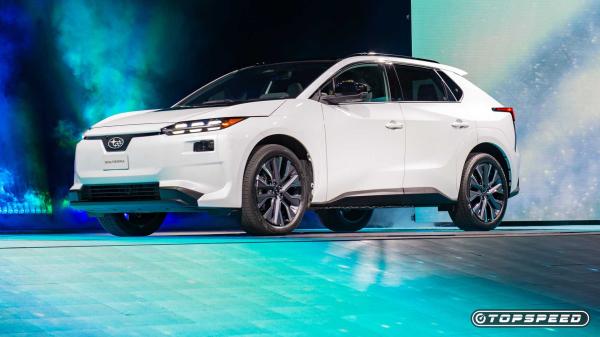
2026 Subaru Solterra Announces Itself With Meaningful Upgrades
Right from exterior and interior changes to boost in power, performance, and range, the Subaru Solterra just became a force to reckon with.
What The Subaru Solterra Is Actually Like To Drive
Comfort And Everyday Usability Matter Most

The Subaru Solterra has never prioritized speed, but it now boasts increased power. As Car and Driver notes, the standard dual-motor powertrain now produces 233 horsepower and 249 lb-ft of torque, up from 215 horsepower in the previous model. In comparison, the new XT model develops 338 horsepower and 332 lb-ft of torque, making it the most powerful production Subaru to date. The publication also recorded a 0-to-60 mph time of just 4.3 seconds for the XT, while estimating the standard model will complete the sprint in under six seconds.

Performance, however, isn’t the Solterra’s defining characteristic; every model continues to feature Grip Control and Downhill Assist. The result is an electric SUV that is geared towards being composed and reassuring rather than aggressively sporty.

Inside, the similarities continue. The dashboard layout, infotainment system, switchgear, and overall cabin design closely mirror those of the bZ4X. There is little originality here, but as noted, this approach simply saves time and money—a practice common among automakers.

The interior is laid out neatly and cohesively. It appears uncluttered with minimal buttons, aside from a wide center console housing wireless charging, a modern 14-inch infotainment screen, and a distinctive multifunctional steering wheel. Physical temperature controls remain alongside the touchscreen. Rather than pursuing luxury flair, Subaru has prioritized functionality and ease of use.

Car and Driver also praised the Solterra’s spacious, airy interior, noting that its expansive glass area, clever storage solutions, and generous cargo capacity make it a practical companion for everyday family life and weekend adventures alike.

Safety remains a hallmark for Subaru, and the Solterra upholds this legacy with standard EyeSight driver-assistance features like automatic emergency braking, adaptive cruise control, lane-keeping assist, blind-spot monitoring, and driver monitoring. The 2026 Solterra earned high marks from the IIHS, including a Good rating in side-impact tests, and previous models received both a 5-star NHTSA rating and an IIHS Top Safety Pick+ award, reinforcing its reputation as one of the safest electric SUVs available. These updates make the Solterra a much more competitive EV, enhancing its overall appeal while preserving the confidence, practicality, and all-weather capability that Subaru buyers have trusted for years.
2026 Subaru Solterra Interior And Pricing Specifications
|
Specification |
2026 Subaru Solterra |
|
Ground Clearance |
8.3 inches |
|
Length |
184.6 inches |
|
Width |
73.2 inches |
|
Height |
65.0 inches |
|
Wheelbase |
112.2 inches |
|
Curb Weight |
4,395 lbs |
|
Passenger Volume |
121.3 cu ft |
|
Cargo Capacity |
23.8 cu ft 63.5 cu ft (Seats Folded) |
|
Infotainment |
14.0-inch Touchscreen |
|
Smartphone Integration |
Wireless Apple CarPlay & Android Auto |
|
Starting MSRP |
$38,495 |
|
Top Trim MSRP |
$45,555 (Touring XT) |
|
Limited Warranty |
3 Years / 36,000 Miles |
|
Powertrain Warranty |
5 Years / 60,000 Miles |
|
EV Battery Warranty |
8 Years / 100,000 Miles |
Final Verdict: A Better EV Than Many Buyers Expect
Why The Solterra Is Worth A Second Look

The Subaru Solterra has matured into a far more convincing electric SUV than the one that debuted just a few years ago. The extensive updates for 2026 address many of the criticisms leveled at the original model, making it a much stronger contender in an increasingly competitive segment.

The 2026 Solterra starts at around $38,495, while the closely related Toyota bZ4X starts at approximately $37,070. The Toyota offers a slightly lower entry point, but Subaru includes dual-motor all-wheel drive as standard across the lineup, giving buyers greater capability without having to move up the trim range.

Car and Driver praised the updated Solterra’s stronger performance, improved charging capability, and composed driving manners, while Edmunds highlighted its approachable character and confidence-inspiring all-wheel-drive system. MotorTrend also commended its everyday practicality, reinforcing Subaru’s focus on building an EV that’s easy to live with rather than one that simply chases headline figures. The Solterra doesn’t lead the class for outright range or charging speed, so buyers prioritizing those areas may find stronger alternatives.

The Hyundai Ioniq 5 from $36,600 stands out for its ultra-fast 800-volt charging, spacious cabin, and advanced technology. Edmunds praised it for offering “plenty of range, ultra-fast charging, and a wealth of helpful technology features,” making it one of the segment’s strongest all-rounders.

The Kia EV6 from $42,900 shares much of the Ioniq 5’s advanced EV architecture but takes a sportier approach, pairing rapid charging with sharper handling and more engaging road manners.

Meanwhile, the Tesla Model Y from $41,380 continues to set the benchmark for driving range, efficiency, and access to Tesla’s extensive Supercharger network, making it a compelling choice for buyers who frequently cover long distances.

Each of those rivals excels in a specific area, whether it’s charging speed, outright range, or driving dynamics. The Solterra, however, takes a different approach, focusing less on headline figures and more on delivering a familiar Subaru ownership experience. Ultimately, this is what distinguishes it in the increasingly crowded electric SUV segment.
Sources: Edmunds, Carbuzz, Subaru USA

Related posts



Latest Post


No Comments