
The Long-Lasting Harley-Davidson That Rarely Needs Repairs
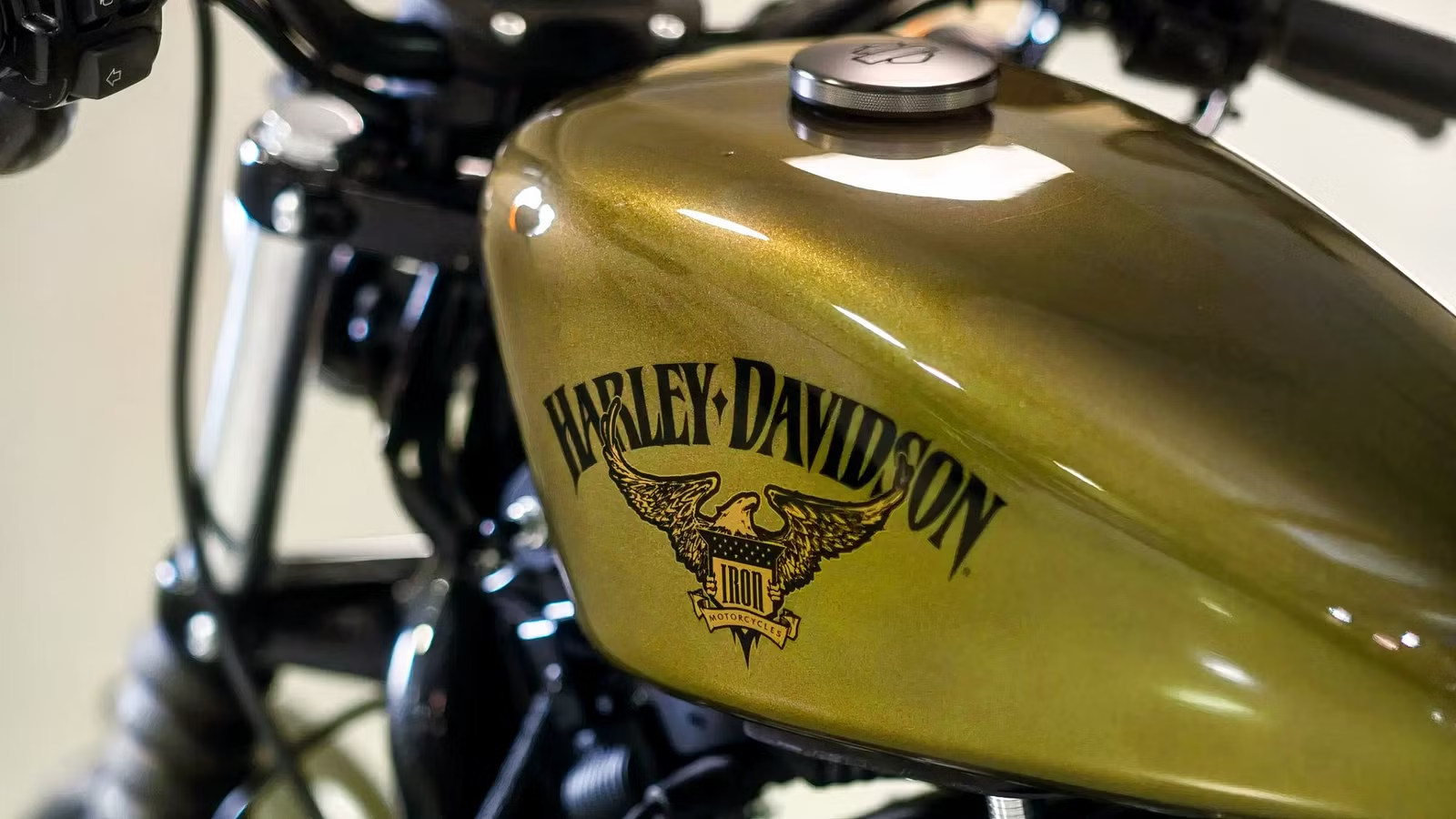
Might sound like a bit of an exaggeration, but Harley-Davidson motorcycles turn errands into events. Unfortunately, an aging one can also turn Saturday into a lengthy hate-speech about workshop labor rates.

For those shopping America’s used motorcycle market, the sweet spot is character backed by familiar engineering. One understated cruiser, more than most, makes a pretty convincing case.
Why A Dependable Used Harley Is Harder To Find Than It Sounds
A used Harley-Davidson appeals when the goal is keeping it for years. And yet mileage tells only half the story. A motorcycle that’s covered regular highway miles with attentive servicing may inspire more confidence than a low-mileage example left gathering dust under a tarp. Rubber parts still age while a bike is parked, and a glossy fuel tank says very little about what’s happening underneath.

The difficult part is separating ordinary maintenance from repairs. Tires, fluids and brake components eventually need attention on every motorcycle. Unexpected trouble is the expensive wildcard, particularly when a bargain arrives with wiring modified by somebody whose chief qualification was owning a socket wrench.
On top of that, modifications complicate the search. Harley culture practically goads owners into personalizing their motorcycles, which makes an untouched example unusually attractive. Established engineering beats an elaborate project whose previous owner has suddenly developed a passion for selling it. The smartest used motorcycle purchase is often the least theatrical one, though, especially when the bike needs to start on Monday morning.
The Best Clue Is A Motorcycle That Changed Very Little

The candidate comes from a family present on America’s motorcycling landscape since 1957. The 2016-2021 version, in particular, favors familiar hardware over another electronic feature.
Its blacked-out styling is almost comically committed to the theme. The chopped fenders, low ‘bars and compact solo seat make it look ready to start an argument outside a diner. Underneath, though, sits a conventional cruiser suited to everyday riding. That’s an important distinction for someone who wants the Harley-Davidson experience without turning every day off into an opportunity for troubleshooting.
It’s also pretty telling when you look at the development history. By 2020, changes to this model were essentially new paint colors, rather than a major mechanical makeover. That continuity makes used bike shopping easier, although familiarity can’t prevent wear. A stable mechanical recipe also makes it easier to compare examples from different model years without getting distracted by a fresh badge or fashionable paint.
The Harley-Davidson Iron 883 Did Things The Simple Way

In essence, we’re alluding to the Harley-Davidson Sportster Iron 883, particularly the 2016-2021 models. Its 883cc air-cooled Evolution V-twin has two valves per cylinder, refreshingly familiar in an era of motorcycles resembling smartphones with handlebars. The 2020 version pairs that engine with electronic fuel injection and a five-speed transmission.
Its claimed 53.8 lb-ft of torque arrives at 3,750 rpm, suiting relaxed urban cruising. Nobody’s mistaking it for a superbike; instead, its charm comes from using that low-down pull without constantly hunting for another gear.
Fuss Free Philosophy

The final drive is a belt, sparing the owner the frequent cleaning and lubrication associated with an exposed drive chain. Rubber engine mounts also help manage traditional V-twin vibration. Neither detail makes the motorcycle immune to age, but both contribute to an ownership experience that asks relatively little between scheduled checks.
For longevity, familiar engineering helps, while maintenance determines how well an individual bike ages. No specific repair-free mileage is guaranteed. What makes this used Harley appealing is the uncomplicated design and the ability to judge its condition without being dazzled by gadgets.
Why The Iron 883 Makes More Sense On Real American Roads

The 2020 Iron 883 carried a starting U.S. MSRP of $8,999, while optional ABS added $795. Keep in mind that those are original prices, not today’s used values. A clean Sportster with service records beats a flashy mystery bargain.
At 25.7 inches laden, the seat sits close to the pavement, giving shorter riders a welcome advantage at stops. The running-order weight is 564 pounds, however, so the bike’s compact appearance can be misleading when it’s time to maneuver around a crowded garage. Remember, gravity doesn’t make exceptions for Harley owners.
The 3.3-gallon tank and estimated 51 mpg suggest reasonable fuel use, although results vary. Meanwhile, just 1.6 inches of rear suspension travel means broken pavement can be a rather direct conversation with your lower back. It’s the sort of feedback that makes a smooth stretch of highway feel like an unexpected luxury.
When inspecting one, look for leaks, damaged belt teeth and evidence of careless aftermarket wiring. Check tire age, brake condition and service paperwork rather than trusting a seller’s claim that the bike’s always run perfectly. If ABS matters to you, confirm the option is actually fitted instead of assuming it came standard on every example. Simple machinery still deserves careful ownership, and avoiding neglected examples is the smartest way to keep future repair bills from spoiling the relationship.
Another Long-Lived Harley Offers A Very Different Temptation

The 2008-2017 Harley-Davidson V-Rod deserves a special mention for riders who want a more performance-focused alternative. Its stretched-out proportions and muscular attitude come from a different corner of the company’s imagination. Next to the modest Iron 883, it looks as though somebody approved the motorcycle design after watching drag racing all weekend.
That added ambition makes the buying decision more personal. A used V-Rod might satisfy a rider looking for stronger performance, but condition and documented servicing still deserve priority. It’s impossible to promise fewer repairs than the Iron 883 based on appearance.
For American riders who value straightforward ownership, the 2016-2021 Iron 883 is the stronger fit for this particular mission. It brings together recognizable Harley-Davidson personality with established mechanical fundamentals, provided the previous owner’s treated routine maintenance as an obligation rather than a vague suggestion. That’s a more useful promise than any heroic claim about a motorcycle that supposedly never needs fixing.
Sources: Motorcycle News, TopSpeed, Cycle World.

Related posts

Latest Post



No Comments