
The Used-Car Sweet Spot Is Shifting; Here’s Where Smart Money Lands Now
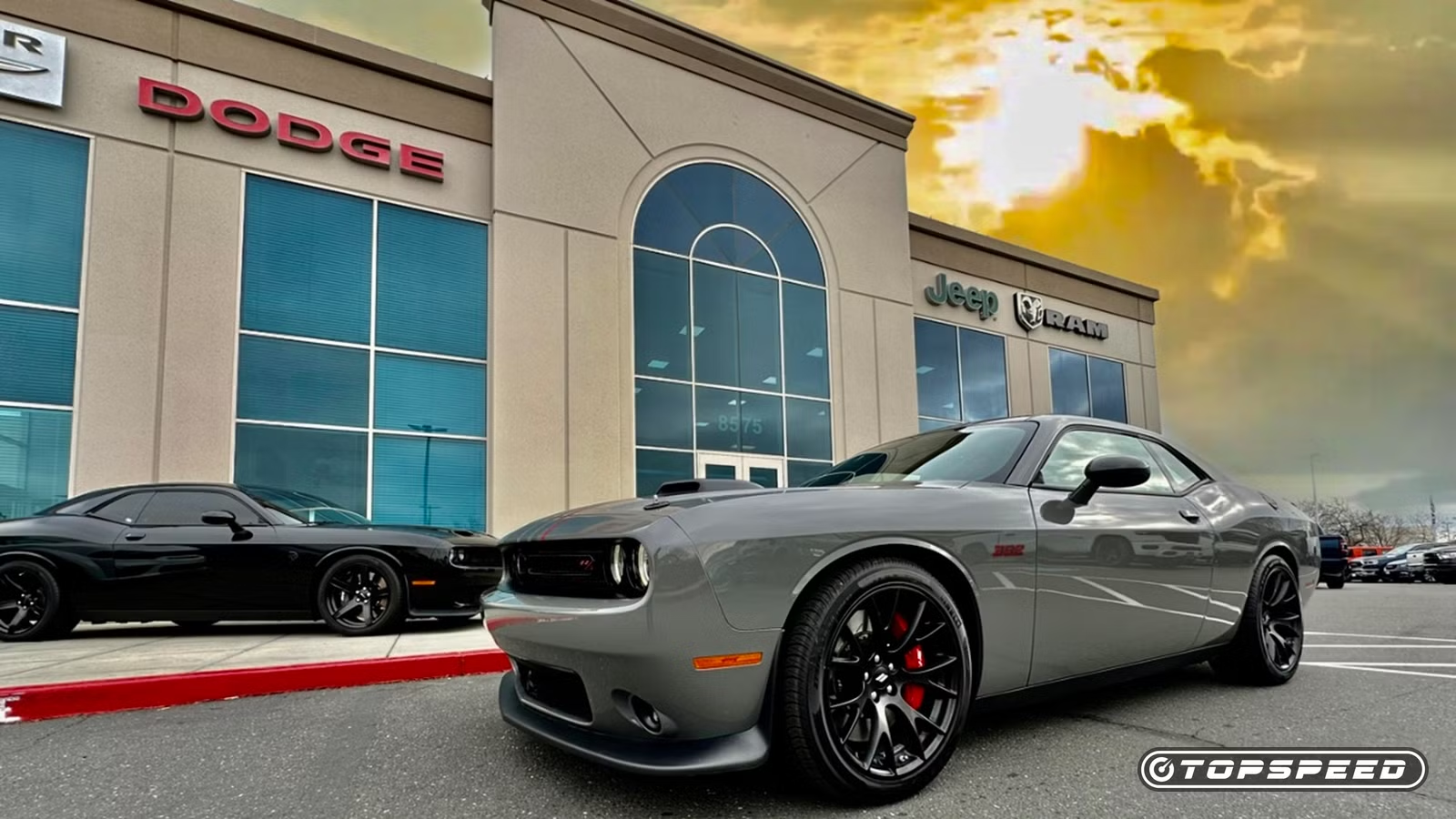
At this point, you’re probably already aware that new car prices have risen over the years. Today, the cheapest new car is the Hyundai Venue, which has a base price of $20,550. Gone are the days of buying a brand-new car for under $20,000, but not everything is bad if you’re willing to go for a used car.

That’s because for the longest time, we’ve advocated here at TopSpeed that opting for a three-year-old used car is the second-best option (or sometimes, even the best option) if you can’t afford a new car. Imagine, you could get a used three-year-old car from a higher segment for the same amount you’d pay for the new car you could afford. It may not be new, but you still have an inherently better car.
But as with new cars, challenges are starting to emerge when purchasing a used car, too. The question now is, is buying a used three-year-old car still considered the sweet spot? That’s what we’re going to find out today.
The Pleasures And (Possible) Pains Of Going Used

As with most choices you make, there’s always a pro and a con. In the case of used cars, there are plenty of reasonable pros and not a lot of cons, which makes these vehicles very appealing to many buyers.
One Man’s Trash Is Another Man’s Treasure
Let’s start with the obvious—lower upfront costs. You no longer suffer the brunt of depreciation. By the time you’ve purchased the used car, your depreciation curve is much gentler already. If you don’t plan on keeping your used car for a long time, you can also have much quicker upgrade cycles if you’re the type of person who always wants to drive something different.
Also, you can easily get a vehicle from a higher segment for the same amount of money you’d be paying for what you intended to purchase. You also tend to have lower insurance costs, since the car’s residual value is much less when evaluated by the insurer.
Just Be Wary Of Its Ownership History

But of course, the main reason why vehicles depreciate is that, as with everything in life, a car also has a useful mechanical life. Three years of ownership still means wear and tear, and who knows what kind of driving the previous owner did to a vehicle within those three years. For instance, if you’re buying a performance car, there’s a high chance that it’s been brought to the track at least once.
This is where CarFax plays a huge role in a vehicle’s ownership life. You’ve also probably heard of Certified Pre-Owned (CPO) vehicles before, and you may be wondering what advantage going the CPO route offers. Well, CPO means that the used vehicle has undergone a manufacturer-recommended thorough quality and safety check by the dealership.
Unfortunately, Three-Year-Old Used Cars Are Getting Expensive

This leads us to today’s main topic—the three-year-old used car. Yes, I’m here to tell you that three years old is still the sweet spot for a used car, but the answer isn’t as straightforward as before. Here’s why.
Used Car Prices Are Rising, Too
As new car prices rise, buyers priced out of new cars have shifted toward these three-year-old used cars. As a result, rising demand for three-year-old used cars has reduced inventories, with Edmunds stating that three-year-old used cars usually stay on dealer lots for just 38 days. Higher demand and lower inventory equate to rising prices, and as of Q2 2026, a three-year-old used car is $32,461, four percent higher than a year ago and a whopping 15.5 percent higher than the same period in 2021.
To add further insult to injury, only 31.8 percent of used car sales in Q2 2026 sold for under $20,000. In Q2 2019, sub-$20,000 used cars accounted for 55.2 percent of the used car market. This also means that for similar money, the used vehicle that fits within your budget also gets older. In Q2 2019, $10,000 to $15,000 buys you a vehicle that’s 4.7 years old with 58,250 miles on average. Fast-forward to Q2 2026, and the average vehicle age is now 8.7 years old with 98,222 miles.
Yet Here’s Why They’re Still In Demand

It seems that the previous sweet spot of three years old is no longer what it used to be in terms of affordability, but there’s a reason why it remains popular. For one, many three-year-old cars are coming from leases. A leased car is often mileage-capped, and you can guarantee complete service records, since leased vehicles are always serviced at the dealer. Additionally, since partial or full redesigns usually happen within a three-to-five-year interval, a three-year-old car often feels just as modern and packed with features as a brand-new car.
Furthermore, a three-year-old car is still not too old in terms of wear and tear. Depending on the brand, a three-year-old car may still have a warranty, which adds a layer of peace of mind when it comes to factory defects. If you desire, a CPO may even be available with an extended warranty.
Consider A Five-Year-Old Vehicle

With three-year-old cars no longer as affordable as they used to be, the new sweet spot for buyers may be a five-year-old vehicle. Of course, there’s a reason why this isn’t as popular as three-year-old used cars, but if this is what your budget permits, we’ll give you reasons why a five-year-old used car may be worth a look.
Still Relatively Modern Choices
As cars become more high-tech, they tend to age more slowly than they used to. Screens have been commoditized already, and so a Civic today isn’t dramatically less modern than the new model on sale today. We’re pretty much near the peak of what’s possible in terms of automotive tech, and the leap in connectivity and touchscreen modernity during every redesign isn’t as massive as it used to be.
With automakers placing heavy emphasis on software-defined vehicles (SDVs) in 2026, this has led to an epidemic of giant tablet screens inside vehicles, for better or worse. Physical controls have been disappearing in the past few years, only for them to start coming back as consumers have voiced their concerns in this regard. Not everyone is a fan of the giant tablet epidemic, and in-car tech from five-year-old cars tends to be more balanced. Lastly, advanced safety features are already prevalent in five-year-old used cars, so it’s not like there’s a huge technological gap in that respect, either.

Three-year-old cars have gotten more expensive, but it’s still not the end of the world. A five-year-old car can still be appealing, but the number of appealing models is narrower at this age. You can guarantee a long mechanical life with a five-year-old Japanese car, but other five-year-old cars may start causing headaches after just a few years of ownership. Of course, this will all depend on how the five-year-old used car was treated by past owners, so the same tips for purchasing a three-year-old car still apply here—only with the caveat that not all cars are created equal in terms of reliability.
Sources: Edmunds, KBB, iSeeCars

Related posts



Latest Post




No Comments