
Volkswagen ID. Polo review – first UK drive 2026
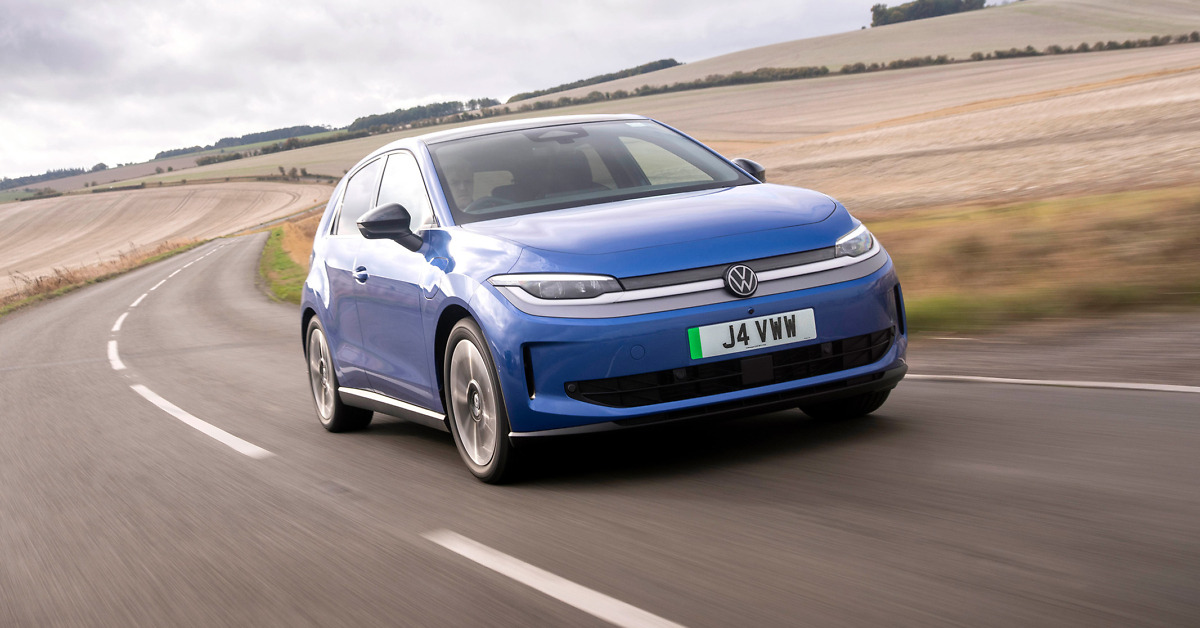
Make and model: Volkswagen ID. Polo
Description: Electric hatchback
Price: from £23,945
Summary: The Volkswagen ID. Polo is a fun, efficient and practical small electric car, with sensible pricing, plenty of equipment and a few welcome touches of personality.

For a broader ownership picture, see our Volkswagen ID. Polo Expert Rating.
The Volkswagen Polo has been a familiar sight on British roads for decades, so it was only a matter of time before the name made the jump to electric power.
The ID. Polo sits below the larger ID.3 in Volkswagen’s electric range, targeting buyers who want a straightforward small hatchback without the price tag of a larger electric model. We’ve been driving it on British roads to find out whether it lives up to the familiar Polo name.
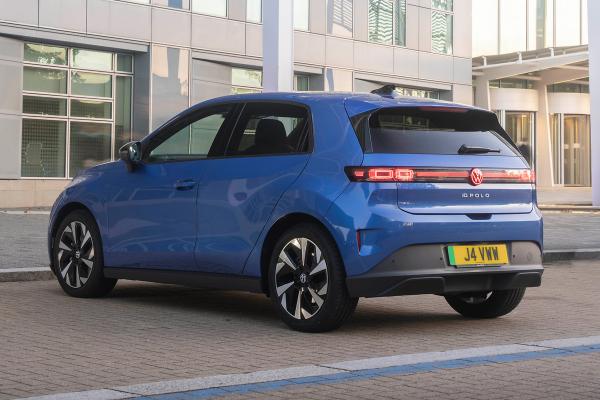
Price and equipment

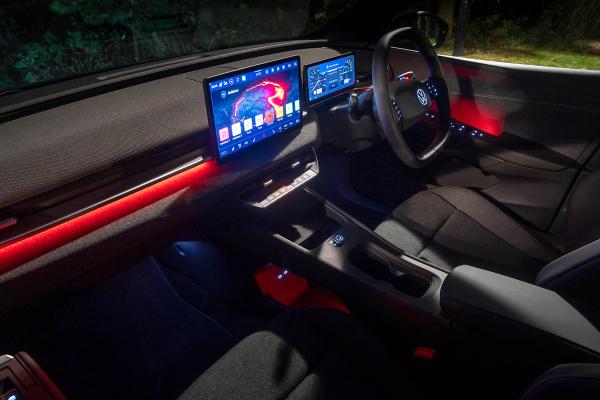
Kicking off the range is the Life, priced from £24K. That gets you a 37kWh battery with up to around 200 miles of electric range, along with 17-inch alloy wheels, front and rear parking sensors, a reversing camera, a 13-inch touchscreen, smartphone connectivity and wireless phone charging.
There’s also a larger 52kWh battery offering up to 281 miles, which I’d be inclined to recommend for anyone regularly making longer journeys. The extra range makes the ID. Polo a more versatile car, although the smaller battery should be perfectly adequate for everyday commuting and local trips.
The Style adds 18-inch alloys, heated front seats, ambient lighting, sat nav and sportier seating. Volkswagen is also offering limited Launch Edition versions, with extra equipment that makes them worth considering if the additional features appeal. The Style Launch Edition we drove costs £33K and includes a panoramic roof, electrically adjustable massaging front seats and upgraded parking assistance.
That does mean you can spend well over £30K on a small electric Volkswagen, which puts the ID. Polo up against some tempting alternatives. I’d concentrate on finding the right battery size before getting carried away with the equipment list, as even the cheaper models are reasonably well equipped.
A sportier GTI version is also due to join the range.
Inside the car
Volkswagen hasn’t gone all-in on touchscreen controls, which is a welcome change from some of its earlier electric models. Alongside the digital displays, you’ll find physical buttons for commonly used functions, reducing the need to dig through menus when you just want to change the temperature.
The touchscreen itself is straightforward to navigate, too. As a nice nod to earlier Polos, Volkswagen has added a retro display mode that transforms the digital instruments into something resembling a 1980s dashboard. It’s a quirky touch that gives the cabin a bit more personality.
Comfort shouldn’t be an issue for most drivers. At 5ft 11in, I found it easy to get settled thanks to the wide range of seat adjustment, while the seats themselves stayed comfortable and supportive during nearly two hours behind the wheel.
There’s enough rear legroom for adults, and the ID. Polo offers a little more space than the Renault 5. Headroom is another story, however, as anyone much over six feet may find themselves brushing the roof. The interior design is also rather plain, despite the occasional fun detail.
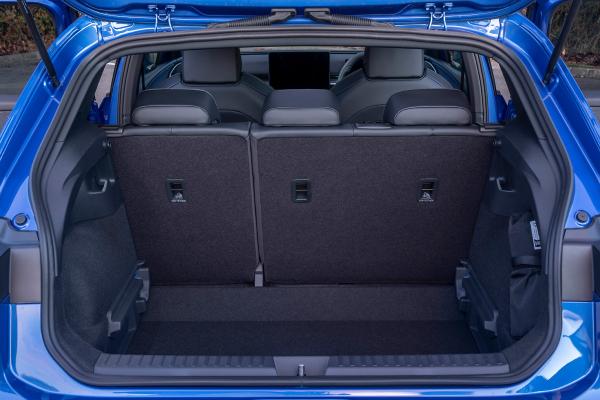
The ID. Polo’s boot is a generous 441 litres, which is bigger than the current Golf’s. It has an adjustable floor, and although there’s no storage compartment under the bonnet, lifting the boot floor reveals a deep area that’s ideal for stashing charging cables.
Driving range and charging
The ID. Polo comes with a choice of 37kWh and 52kWh batteries, offering up to around 200 and 281 miles of electric driving range respectively. The smaller battery should suit drivers who mainly make shorter journeys, while the larger version provides more flexibility.
After almost two hours exploring the roads around the Cotswolds, our larger-battery test car was averaging 3.7 miles per kWh. That’s broadly in line with what I’ve seen from the Renault 4 E-Tech, although some way short of Volkswagen’s claimed efficiency of around 4.5 miles per kWh. In fairness, temperatures were low during our test, and we weren’t driving with economy as our main priority.
At the efficiency we achieved, you’d be looking at roughly 190 miles from a full battery, although a longer test would give us a better idea of what owners can expect in everyday use.
Home charging is handled at up to 11kW, while the larger battery can accept up to 105kW from a suitable public rapid charger. Volkswagen quotes around 24 minutes for a 10-80% charge, with the smaller battery taking a similar 23 minutes despite having a lower maximum charging speed.
On the road
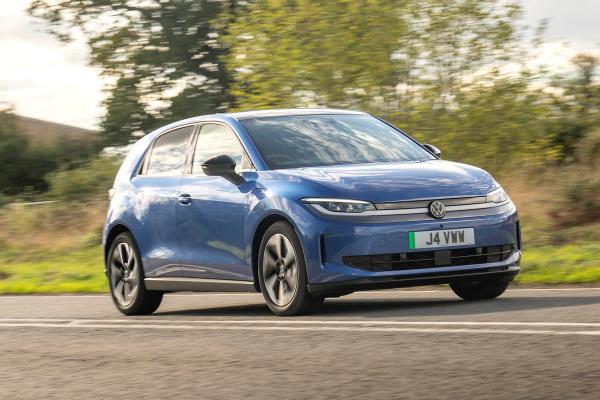
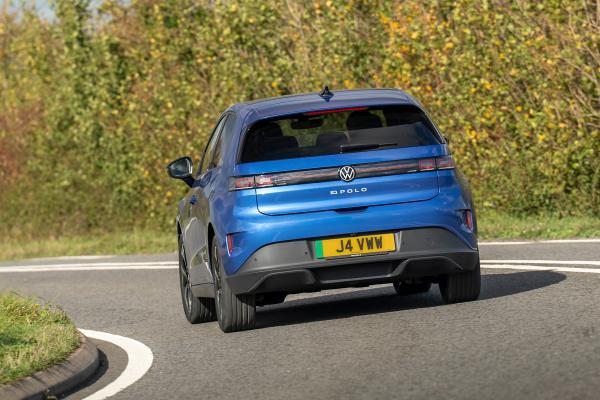
My test car was a Python Yellow Style Launch Edition, with the larger battery and a very GTI-like 208hp. There are also cheaper 114hp and 133hp versions available, which should be plenty for the daily commute.
The car was fitted with optional 19-inch alloy wheels, which certainly looked the part. Sharp potholes and broken road surfaces occasionally made their presence felt, although the ride was generally comfortable and well controlled. Smaller wheels might be a better choice for anyone prioritising comfort over appearance.
Volkswagen claims the 208hp version will reach 62mph in 7.1 seconds, but it feels quicker than the numbers suggest. The electric motor delivers strong acceleration from low speeds, although the front tyres can occasionally scrabble for grip if you’re too enthusiastic with the accelerator.
Better still, the ID. Polo is surprisingly enjoyable on a twisting road, staying flat through corners with very little body roll. It’s easy to place on narrower roads and feels more agile than some of Volkswagen’s larger electric cars, without sacrificing the comfort you’d want for everyday driving.
There are still a few minor irritations. Although physical switches handle cabin temperature and fan speed, you need to use the touchscreen to change driving modes. It’s hardly a deal-breaker, but an extra button to cycle through them wouldn’t go amiss.
Overall, the ID. Polo strikes a pleasing balance between comfort and enjoyment, and there’s enough performance in the version we drove to make it feel genuinely lively.
Ownership
The ID. Polo hasn’t yet been independently crash-tested by Euro NCAP, so there’s no safety rating available. We’ll incorporate its result into our Expert Rating Index once testing has been completed.
Volkswagen provides a three-year/60,000-mile new car warranty, with separate eight-year/100,000-mile cover for the battery. That’s fairly typical for the brand, although several competitors offer longer general warranties.
The ID. Polo is also rated to tow up to 1,200kg, depending on version, which is a useful capability for a small electric car.
Verdict
One of the challenges with reviewing a car is picking holes in it. That’s especially difficult when a car gets most of the basics right.
The ID. Polo starts at a sensible price, offers a good choice of power outputs and battery sizes, and comes with plenty of technology, particularly in Launch Edition form. There are some genuinely interesting colour options, too, which help it stand out in a class where grey often dominates.
More importantly, it’s comfortable, enjoyable to drive and offers useful electric range. The larger-battery version is the more convincing all-rounder, although our initial efficiency figures suggest that owners shouldn’t expect to achieve the full advertised range in all conditions.
Rear space is one obvious weakness, particularly for taller passengers, and the cabin could be more colourful. The higher-specification versions also become rather expensive, so there’s a strong argument for choosing a more modestly equipped model.
But expecting compact SUV levels of room would be missing the point. Volkswagen set out to build an electric Polo, with the familiar car’s straightforward character and everyday usability. Judging by this first drive, it’s done exactly that – and done it rather well.
We like:
- Fun to drive
- Good efficiency potential
- Plenty of standard technology
- Strong performance in larger-battery versions
- Generous boot space
We don’t like:
- Interior is a little dreary
- Expensive in higher specifications
- Rear headroom is limited
Similar cars
Aion UT | BYD Dolphin | Citroën ë-C3 | Cupra Raval | Fiat Grande Panda Electric | Geely EX2 | Hyundai Inster | Kia EV2 | Leapmotor B03 | Leapmotor B05 | Mini Cooper Electric | Nissan Micra | Peugeot e-208 | Renault 5 E-Tech | Skoda Epiq | Suzuki e Vitara | Toyota Urban Cruiser | Vauxhall Corsa Electric
Key specifications
Model tested: Volkswagen ID.Polo Style Launch Edition
Price as tested: £32,995
Powertrain: Single electric motor
Gearbox: Single-speed automatic
Power: 208 hp
Torque: 290 Nm
Top speed: 99 mph
0-62 mph: 7.1 seconds
Battery range: 281 miles
CO2 emissions: 0g/km
Euro NCAP safety rating: Not yet rated, as of October 2026
TCE Expert Rating: Not yet rated, as of October 2026

Related posts


Latest Post


No Comments