
The Touring Bike That Makes Interstate Cruising Almost Effortless
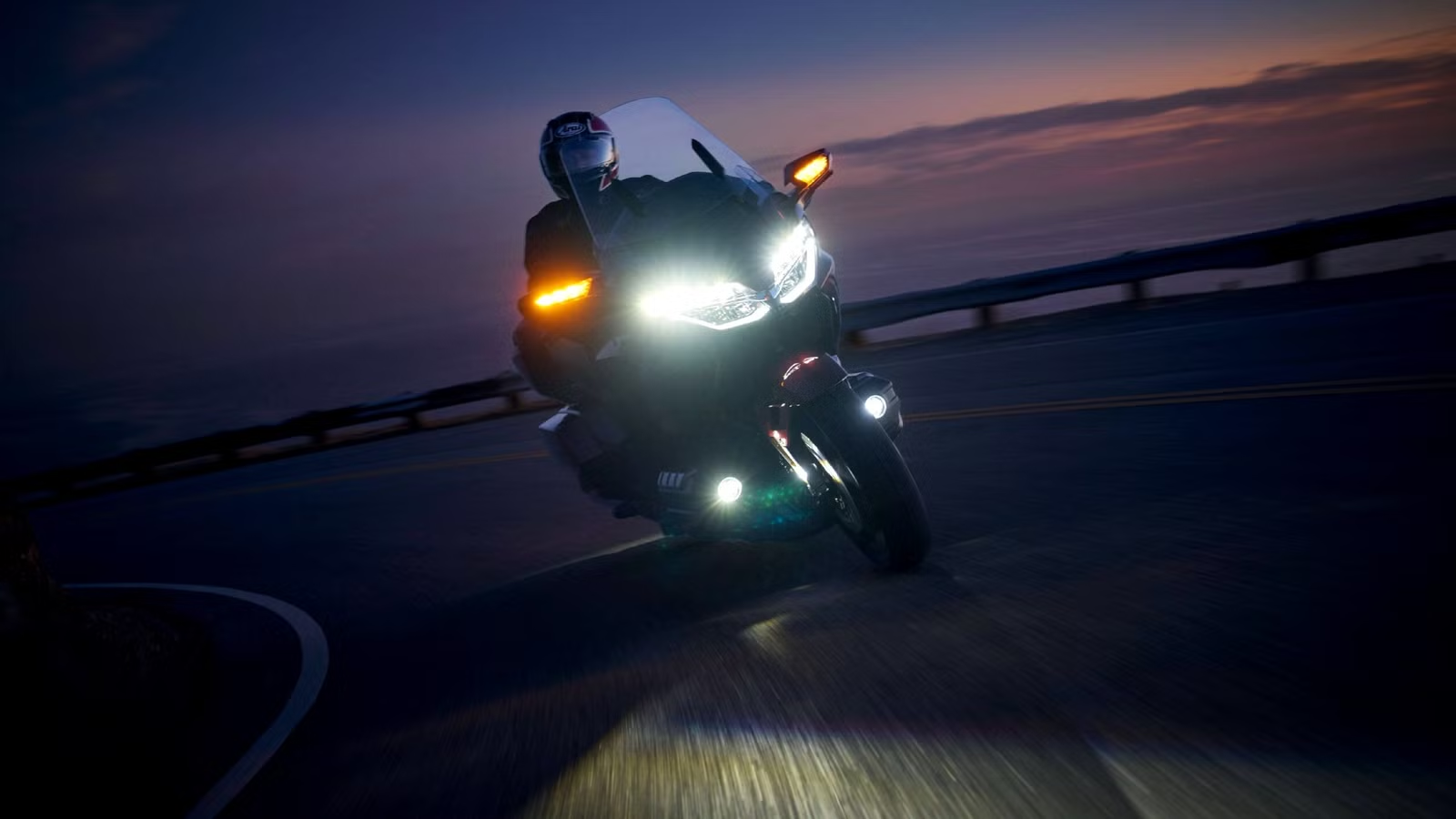
Long highway rides sound easy enough, but spend a few hours on one, and you quickly realize they’re not. A good touring bike needs to do more than make power. It needs to keep you comfortable, relaxed, and happy to keep putting the miles behind you. That’s especially important when you’re looking at hundreds of miles of open highway, because the little things you barely notice at first can become pretty tiring as the hours add up.
What A Motorcycle Needs To Make Interstate Riding Easy

A motorcycle built for long-distance riding has a different set of priorities from a sport bike or a lightweight cruiser. Speed is obviously useful, but after a while, it’s only one part of what makes a bike good for long-distance riding. Once the ride stretches into several hours, stability, comfort, wind protection, and ease of handling become just as important. You don’t want to be thinking about your wrists, your back, or how much wind you’re taking every time you look at the clock. You want to be able to settle into the bike, keep a steady pace, and let the miles disappear.
After a few hours on the road, you really start to appreciate a riding position that lets you stay comfortable without constantly moving around trying to get some relief. The seat, handlebars, and foot pegs all need to work together, because even small compromises can get annoying when you’ve been riding for hours. The suspension matters just as much. It needs enough travel and compliance to soak up bumps and broken patches.
Why Torque Matters More Than Horsepower At Mile 300

When you’re spending most of your time on the highway, you don’t necessarily need a huge power figure. What matters more is how easily the bike puts its power down. You want enough torque to pick up speed, overtake, or hold a steady pace without working the gears too much. After a few hours, that kind of effortless performance can make a bigger difference than having another 10 or 20 horsepower on the spec sheet.

When you’re covering serious distances at highway speeds, you want the bike to feel planted and settled underneath you. A longer wheelbase and well-controlled suspension can make a big difference when the road gets fast and open. Then there’s the fairing and windscreen, which take a lot of wind off your chest instead of making you fight it for hours.
The Honda Gold Wing Tour DCT Was Built Around That Formula

And the motorcycle that really brings all of this together is the Honda Gold Wing Tour DCT. Instead of chasing outright performance, Honda has built it around what actually matters when you’re spending hours on the road. You get a big six-cylinder engine, a DCT automatic transmission, plenty of bodywork for wind protection, and chassis hardware designed with long-distance riding in mind.
Its Flat-Six Engine Has More Than Enough Muscle

At the heart of the Gold Wing Tour is a pretty serious engine: a 1,833 liquid-cooled, horizontally opposed six-cylinder. This motor churns out 126 horsepower at 5,500 rpm and 125 pound-feet of torque at 4,500 rpm, paired with a seven-speed Dual-Clutch Transmission. Honda has also managed to make the latest 1,833cc engine lighter than the one before it, especially the DCT version, saving more than eight pounds. One of the things that really makes sense on a long highway ride is the Gold Wing’s seven-speed DCT. It takes care of the gear changes for you, so you’re not constantly working the clutch or moving through the gears when you’re covering mile after mile.
The Details That Make The Gold Wing Feel Built For Two, Not Just One

The whole idea behind the Gold Wing is pretty simple: a long ride should be something you enjoy, not something you just try to get through. That’s pretty clear from the way the bike is laid out. For a bike this big, the 29.3-inch seat height is actually pretty approachable. You sit in a fairly relaxed position, and the whole riding setup is clearly designed with long hours in the saddle in mind. The windscreen is adjustable too. This can move through 4.9 inches of vertical travel, so you can find a position that gives you the amount of wind protection you want.
The Chassis And Suspension Touring-Focused

The engine and all the comfort features get most of the attention, but the chassis has a lot to do with why the Gold Wing works so well over long distances. The Gold Wing’s aluminum die-cast twin-tube frame gives the bike a solid foundation, while its long 66.9-inch chassis helps keep everything stable when you’re covering highway miles. The 30.5-degree rake also plays a part here, helping give the Gold Wing that planted, predictable feel when you’re carrying speed.
Besides this, you get the double-wishbone front setup with 4.3 inches of wheel travel, while the rear uses a single-sided Pro-Arm swingarm with a Pro-Link setup and a single Showa shock, offering 4.1 inches of travel. The DCT version additionally gets electronic preload adjustment, which makes it easier to get the suspension set up for the way you’re riding. With all that equipment, the 2026 DCT weighs around 847 pounds curb weight, and this is definitely not a lightweight motorcycle. But that weight is also a big part of why it feels so stable and substantial on the highway.
A Six-Axis IMU, Apple CarPlay, And Cruise Control Make The Ride Easier

The Honda Gold Wing uses plenty of electronics to make long rides a little easier. You’ve got throttle-by-wire, Honda Selectable Torque Control, ABS, TPMS, and four riding modes: Tour, Sport, Econ, and Rain. A six-axis IMU helps coordinate the electronic rider aids, while cruise control takes some of the effort out of those long highway stretches. Then there’s the seven-inch display, which handles things like navigation, the audio system, and suspension adjustments. You also get wireless Apple CarPlay and Android Auto, Bluetooth, and two USB-C charging ports.
The Gold Wing Tour Beats Harley And Indian Rivals

Harley-Davidson and Indian Motorcycle both have big touring bikes built for riders who spend a lot of time on the highway. But the way they go about it is pretty different from Honda. The Honda Gold Wing takes a different approach. You’ve got a horizontally opposed six-cylinder engine instead of the V-twin setup you get on those bikes.
Add in the automatic transmission, big fairing, proper passenger space, and that unusual front suspension, and you can see what Honda was going for. The bike is all about making long-distance riding easier. And that’s really what makes the Gold Wing Tour DCT interesting. It isn’t just a big motorcycle with a big engine and a long list of features. Almost everything on it has been designed around one thing: making those next few hundred miles feel easier.
Source: Honda Motorcycles

Related posts


Latest Post


No Comments