
The $3,000 BMW Adventure Bike That Costs Less Than A Tenere 700 Deposit
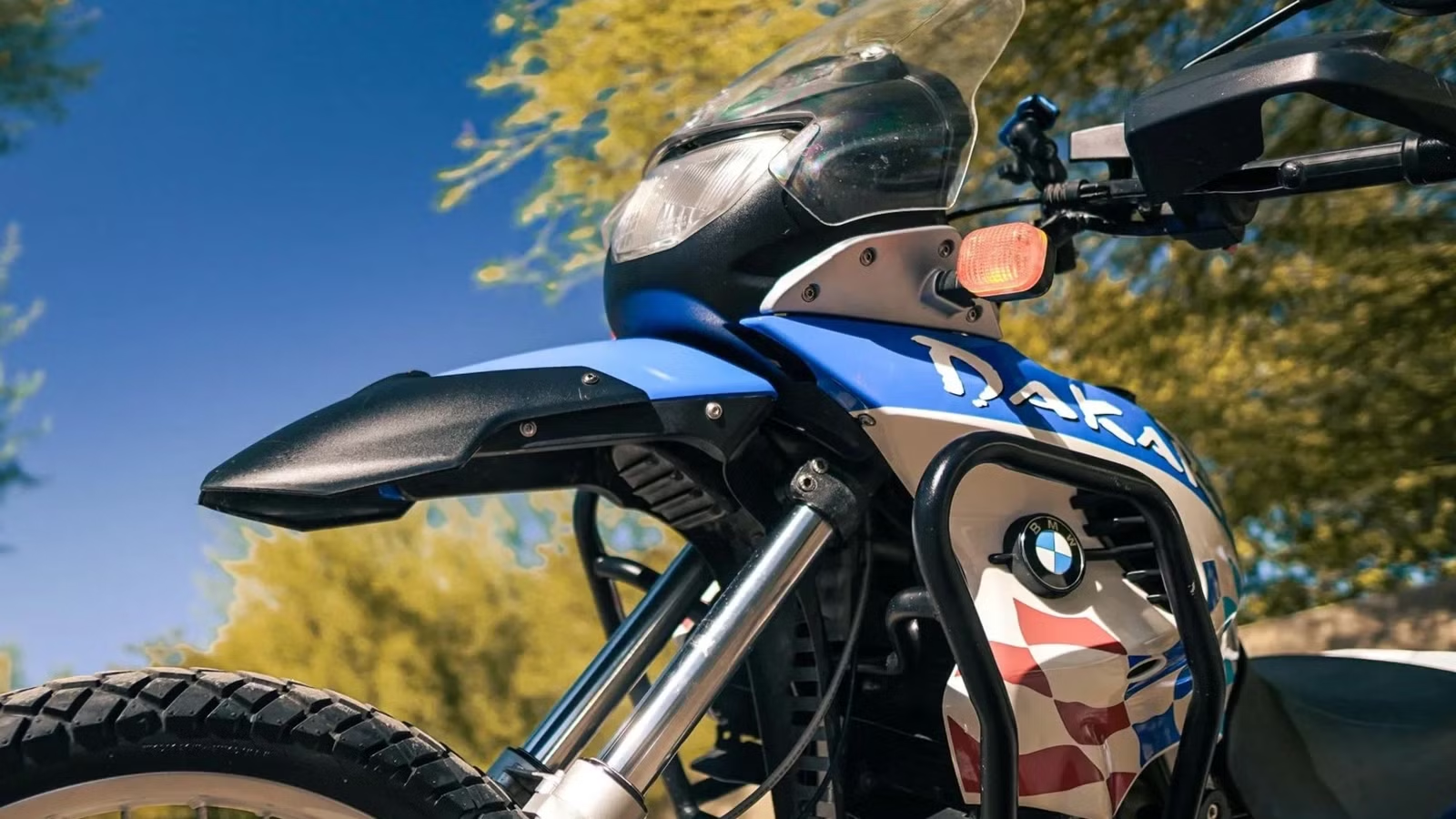
Imagine this: you have a budget of $10,000 for an adventure bike. It’s highly likely that you’ll go for a middleweight adventure bike, like the Yamaha Tenere 700. Now, as good as these mid-weight ADVs are, what if you could save a massive sum of money and still get the capabilities of these new-age midweights? The remaining money can be spent on better gear or, better yet, a multi-day adventure on your trusty ADV. While that sounds too good to be true, we have a BMW GS that does this job quite well.
The Tenere 700 Is The Current Middleweight ADV Benchmark

As far as middleweight adventure bikes are concerned, the Yamaha Tenere 700 is by all means a benchmark. The bike is powered by the much-acclaimed CP2 parallel-twin engine that makes over 70 horsepower and 50 pound-feet of torque. This engine alone has garnered plenty of attention for its punchy power delivery and bulletproof reliability, giving the bike a versatile character. It is praised for its low-end tractability and mid-range poke, which makes the Tenere handle everything from technical off-roading to touring.

The bike features a lightweight frame suspended on fully-adjustable long-travel KYB suspension. This, along with its narrow profile and rally-inspired design, gives the bike actual dirt credentials. Heck, the bike’s capable enough to partake in enduro competition and come out on top! For those looking to go the distance, the windscreen and saddle offer enough comfort for multi-day adventures. It’s this combination of reliability, performance, and versatility that has kept the Tenere 700 at the top of many motorcyclists’ lists.
The Tenere 700 Starts At $10,999

The Tenere 700 is also among the most value-for-money middleweight adventure bikes out there, starting at $10,999. That’s not to say it’s a cheap bike, though. Simply financing it with a 25 percent down payment would have you spending $3,000 right off the bat. Doesn’t sound like a lot of money, but you could buy a used adventure bike that’s just as capable and comes with the legendary GS tag for that sum. The bike in question is the BMW F 650 GS Dakar.

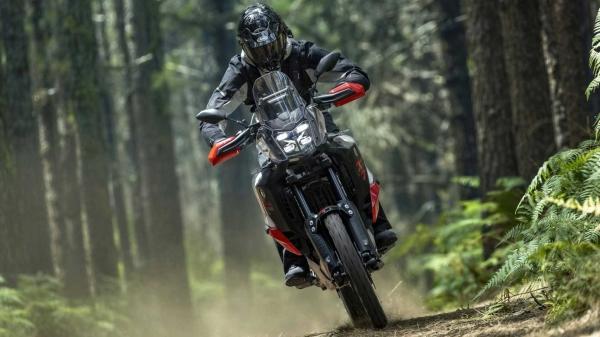
The Japanese Adventure Bike That Does Everything Well
This ADV strikes an impressive balance between off-road capability, touring competence, and everyday usability.
The BMW F 650 GS Dakar Is A Rally-Bred ADV Bargain

In 1998, BMW returned to the legendary Paris-Dakar Rally after a 13-year break. For the rally, the German manufacturer chose a rally version of the then-upcoming BMW F 650 GS, designated the F 650 RR. During the run-up to the rally sport, BMW saw the development of the idea to create a Dakar version of the F 650 GS, which was to offer more serious off-road credentials. The BMW F 650 GS was launched in 1999, and in under six months, BMW unveiled the Dakar version, aptly named the BMW F 650 GS Dakar, sold in the US from 2001 to 2007.
A Sleeper ADV With Dual-Sport Credentials

The BMW F 650 GS Dakar sported a checkered flag as its body graphic, with a design inspired by its rally racer prototype. It also featured a handful of leading-edge technologies for its time, offering performance that was a notch above the adventure touring class at the time. Today, the same bike sits as a back-to-basics adventure bike that can give modern middleweight ADVs a run for their money. It’s a sleeper ADV in a true sense.

Power came from a trusty Rotax single-cylinder engine praised for being both tractable and punchy for off-roading and touring, respectively. Then there is the rally-raid-inspired design that still turns heads, complemented by off-road-ready underpinnings that can take a beating. Put simply, the F 650 GS Dakar won’t set your world on fire, but it will do whatever you ask of it while being cheap to buy in the used market and easy to maintain.
The BMW F 650 GS Dakar Can Be Had For Less Than $3,000

What makes the BMW F 650 GS Dakar all the more relevant as a used buy is that it offers serious adventure credentials for pennies on the dollar. The modern adventure bike segment is dominated by parallel-twin models, and not many people are looking for single-cylinder models. Nowadays, such thumper ADVs are seen more as cheap hacks or commuters, which is why the F 650 GS Dakar has fallen off the radar for most riders. Still, there’s value to be hard here.

According to J.D. Power, private-sale examples land roughly between $1,900 and $5,000, depending on the condition. Hit up classifieds, and you can find good-condition Dakars for $2,840 and very good-condition examples for $3,930. If you’re lucky, you might even find an excellent-condition F 650 GS Dakar for $4,775. For anything less than $2,500, though, you should expect high-mileage models in not-so-good condition.
The Adventure Bike That Proves You Don’t Need More Horsepower To Win
70 horsepower might not sound like a lot, but when you have a punchy delivery, it is enough for serious fun all over
Bulletproof Thumper Engine, Courtesy Bombardier-Rotax

Diving into the deets, the BMW F 650 GS Dakar is legendary for its engine. BMW and Austrian engine supplier Bombardier-Rotax jointly developed the bike’s engine, a 652cc single-cylinder with liquid-cooling. This thumper engine produces 50 horsepower at 6,800 RPM and 44.25 pound-feet of torque at 5,200 RPM, mated to a five-speed manual gearbox. So you will miss a sixth gear, especially at highway speeds, but the fuel economy of around 50 MPG should more than make up for it.
Rare Single-Cylinder Character

While multicylinder engines have their own charm, single-cylinder engines offer a character that’s unique and hard to find in any other engine layout. The Rotax mill here is proof of that. Owners praise the engine for its smooth character, as far as single-cylinder engines are concerned, along with excellent mid-range and top-end response. The engine is said to have enough oomph to keep up with highway speeds, and some sources suggest a top speed of over 110 miles per hour, which should be good for adventure touring.

Though we wouldn’t confuse this Rotax thumper for being anything exciting. Unlike modern single cylinders, like the KTM 690, which offer a remarkable turn of pace and fast-revving attitude, this Beemer’s unit is tuned more for plodding along and reliability. With the redline sitting just over 8,000 RPM, the engine won’t have you go looking for power through the revs. It’s an old thumper engine that is said to happily thump along and get on with the task.
Well Documented To Clear 100k Miles With Basic Maintenance

This Rotax thumper engine, complete with Nikasil-lined cylinder, is also considered one of the most reliable engines ever made. Owners in forum discussions agree that 50k miles is just the middle of the bike’s lifespan, with plenty of life still in the engine and transmission. A quick search online also crops up many examples with 100k miles on the odometer. According to owners, these high-mileage examples keep thumping along with nothing but routine maintenance in most cases.
Designed To Go Anywhere You Want

The engine hangs in a bridge-type steel section frame sitting on a 41mm fork up front and a monoshock at the rear. With a 21/17-inch wheel setup, 8.3-inch suspension travel, and plenty of ground clearance, the F 650 GS Dakar can tackle some serious dirt. Owners also claim that the bike feels stable and sure-footed on the highway and decently confident in the corners. Thanks to its upright ergonomics and a relatively low seat height, the bike should also feel comfortable for newer and shorter riders.

Given that it’s an old bike, it is slightly heavy, especially when compared to legacy 650 thumpers like the Kawasaki KLR 650. However, BMW has managed to hide its weight thanks to the nifty fuel tank that sits under the seat. The three-piece plastic that looks like the fuel tank hides the oil filler tank, battery, radiator, and airbox housing. This low center of gravity should make the bike feel lighter than it is while improving its stability on trails.
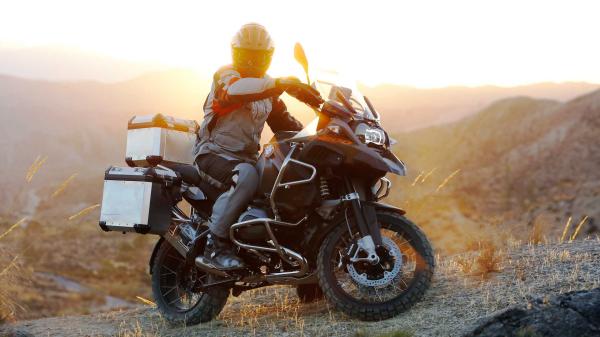
10 Adventure Bikes That You Should Buy Used
You can avoid a financial adventure by going used and picking up these ADVs instead
It’s An Old Bike, So You Should Expect Some Problems

As reliable as the BMW F 650 GS Dakar’s engine is, you should still expect some problems. It’s been around for over two decades, after all. Owners report a few common issues, starting with the water pump that’s driven by a plastic gear. With time, the gear becomes brittle and snaps off. Replacement should cost you around $50, so it’s not a big deal. Keep this cost in mind when buying yourself a F 650 GS Dakar as a precaution, as the pump seal also likes to fail. An easy way to know if the gear needs to be replaced is if the temperature gauge starts to creep up.

You should also check the condition of the radiator, which can corrode and leak over time. Also, check the casing around the front drive sprocket, as the sprocket nut is known to work loose and cause damage around that part. While you likely won’t get a full service record, also make sure the valve clearances are checked at 6,000-mile intervals, which should cost you around $150 to $400 if you get it done. BMW also offered the option of ABS on this bike, but we wouldn’t go looking for one. The older ABS unit is likely to fail, thanks to its aging sensors.
You can also find a full GS service kit online, which includes oil, filters, and plugs, for around $75 to $100. Given the bike’s simple nature, you can do a DIY service on it. Although you should watch out for stripped sump plug threads, which is another common issue. Some older examples may also have damaged fuel lines, so you should smell the bike for any hint of a fuel leak. Lastly, some owners report front calipers sticking in cold weather, which can be fixed with a simple brake clean-up.
Inspect The Bike Before Handing Over Cash

In any case, you are buying a bargain ADV that is over two decades old. Make sure to thoroughly inspect the motorcycle before handing over cash, and it’s also a good idea to keep some cash aside for precautionary repairs and a basic service. Things like the water pump gear, sprocket nut, and valve timing check will cost you a bit of money, but spend it initially, and you’ll have a bike that’s almost as good as new. In fact, maintain it well, and your F 650 GS Dakar will very well outlive a brand new Tenere 700, and that’s saying something.
Source: BMW Motorrad, J.D. Power, online ownership forums

Related posts
Latest Post


No Comments