
Volvo’s Reported Electric Wagon Revival Could Be The Answer To What Wagon Fans Have Been Waiting For
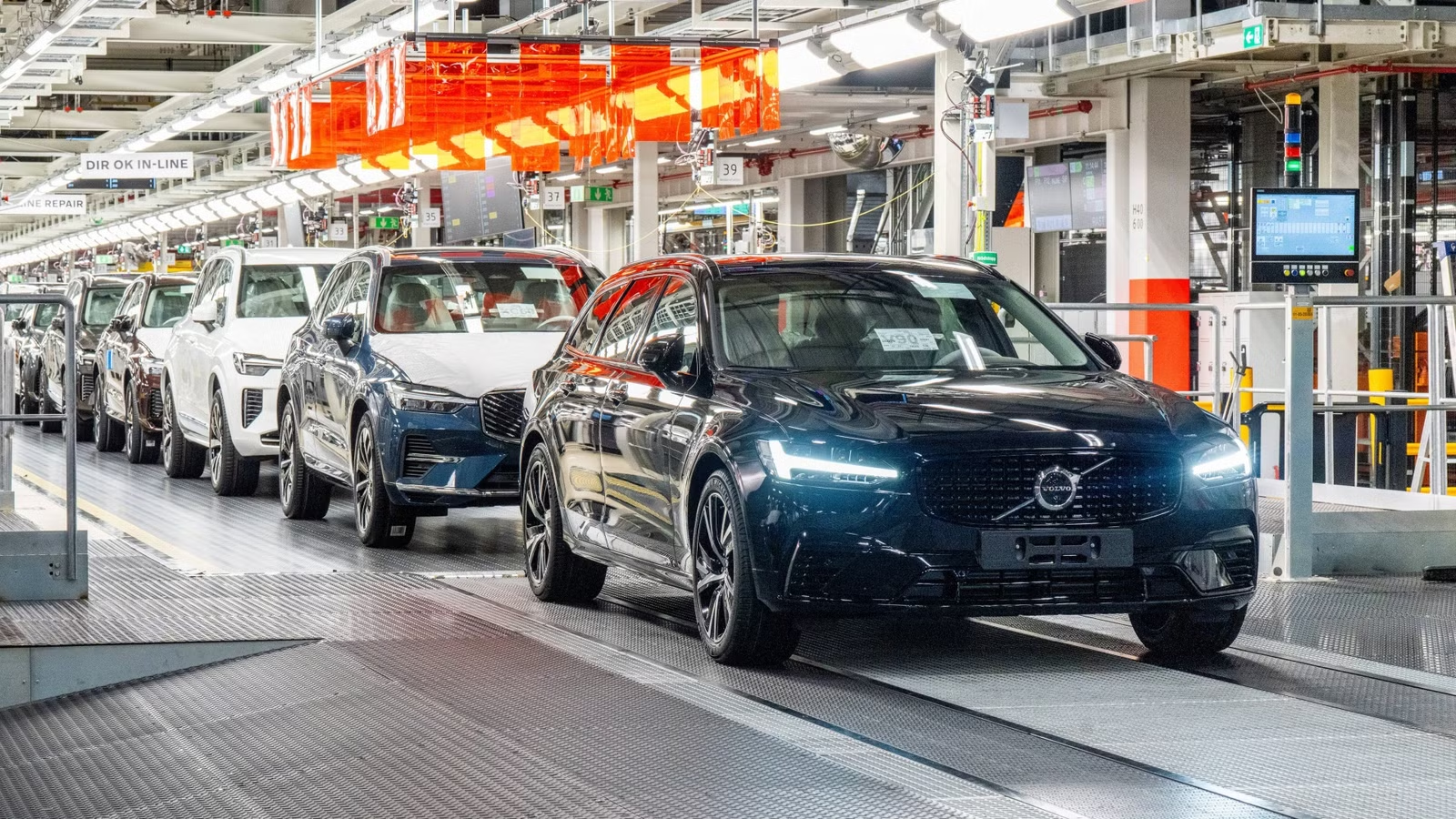
For a certain kind of Volvo buyer, the past several years have felt like a slow goodbye. The V60 Cross Country is done after 2026, the V90 Cross Country has been winding down, and the brand’s lineup has shifted decisively toward crossovers and SUVs. Those buyers didn’t disappear—they just kept hunting used V70s and V90s rather than settling for an XC60. Now there’s a concrete reason to watch Volvo’s product pipeline again.

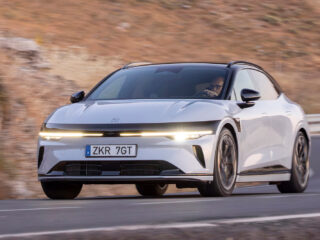
Volvo is reportedly developing a pair of electric sedans and wagons built on its next-generation SPA3 platform, with 800-volt fast-charging architecture and a potential U.S. arrival as early as 2028. The models are said to carry names along the lines of ES60 and EV60, though final badging hasn’t been confirmed. If the report holds, it would mark the clearest signal yet that Volvo recognizes what its most loyal customers have been saying for years: the wagon is not dead, and the demand never went away.
What The SPA3 Report Actually Says
The report, which surfaced this week across multiple outlets citing insider sourcing, describes Volvo planning electric sedan and wagon body styles on SPA3—the successor to the Scalable Product Architecture that underpinned the XC60, XC90, V60, and V90. SPA3 is built around an 800-volt electrical system, which puts it in the same fast-charging tier as the Porsche Taycan and Hyundai IONIQ 6. That means substantially shorter charging stops compared to the 400-volt systems in most current EVs, a practical advantage that matters for the kind of long-haul family driving that wagon buyers have always prioritized.

The rumored nameplate structure—ES60 for the sedan, EV60 for the wagon—would represent a departure from Volvo’s current naming conventions, though the brand has shown willingness to rethink its badge strategy as it moves deeper into electrification. No official confirmation has come from Volvo, and the timeline of a U.S. launch around 2028 should be treated as a working target rather than a firm commitment.
Why This Matters More Than A Typical Product-Line Expansion

Volvo’s pivot to SUVs and crossovers over the past decade wasn’t unusual—virtually every mainstream brand made the same call as consumer demand shifted. But Volvo’s wagon buyers were a particularly devoted group, and the brand’s estate cars had a reputation that went beyond practicality. The V70 T5 and V70R built a following among drivers who wanted performance and cargo space without the raised ride height of a crossover. The V60 Polestar and V90 Cross Country continued that tradition, attracting buyers who specifically did not want an SUV.
Discontinuing the V60 Cross Country after the 2026 model year closes that chapter entirely—unless SPA3 reopens it. An electric wagon on that platform wouldn’t just be a new product; it would be a direct response to the segment Volvo walked away from. For buyers who have been loyal to the brand’s estate cars through multiple generations, the prospect of a purpose-built electric wagon with modern fast-charging and a fresh platform is a meaningful development, not just a footnote in a product plan.
The 2028 Timeline And What Comes Next

A 2028 U.S. arrival would give Volvo roughly two years to finalize SPA3 development, certify the vehicles for American markets, and build out the charging and service infrastructure the platform requires. That’s a tight window, but not an implausible one for a platform that appears to be well into development. The sedan variant reportedly shares the same underpinnings, suggesting Volvo is planning a broader low-body-style offensive rather than a single halo model.
Volvo’s Q2 2026 sales data offers some context: overall deliveries fell 5.6% in the quarter, but EV deliveries rose 14%. That split suggests the brand’s electrification push is gaining traction even as its broader volume softens—and it makes the case for expanding the EV lineup into body styles that have historically driven loyalty. Whether the wagon arrives on schedule, and whether it carries the EV60 name or something else entirely, the direction of travel is now clearer than it has been in years.
Wagon fans have been patient. If Volvo’s SPA3 plans come together on the reported timeline, that patience may finally have a payoff worth waiting for.

Related posts


Latest Post


No Comments